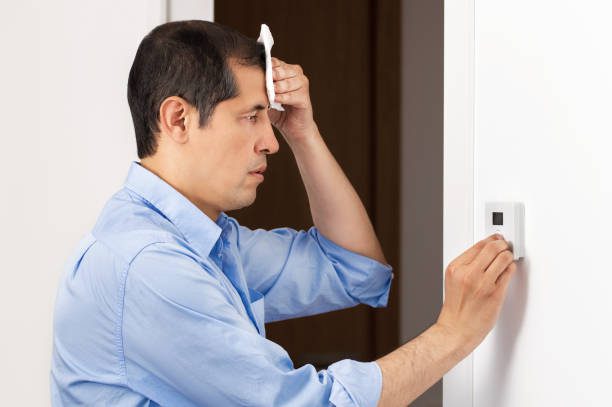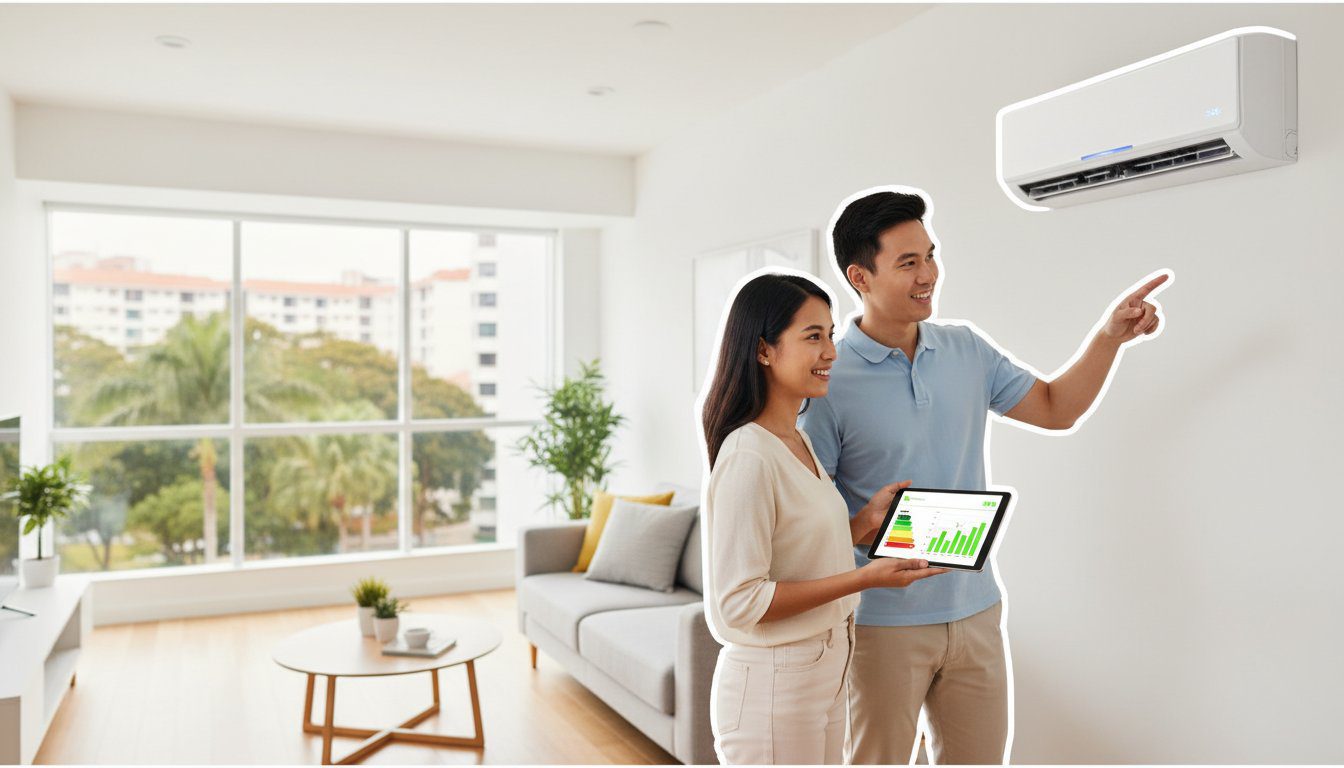
Living in Singapore’s perpetually humid climate means finding the right cooling solution isn’t just about comfort it’s about survival. With temperatures hovering around 30°C year-round and humidity levels that can make even the mildest days feel oppressive, homeowners face a crucial decision: should you invest in a traditional air conditioner or opt for the more economical air cooler? At Lion City Air Conditioner Services, we’ve helped thousands of Singapore residents navigate this exact question, and today we’re sharing our expert insights to help you make an informed choice.
Understanding the Fundamental Differences
Before diving into which option suits your needs, it’s essential to understand how these two cooling technologies work fundamentally differently.
How Air Conditioners Work
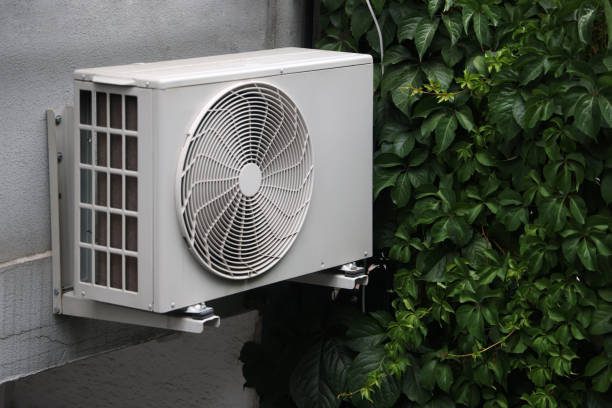
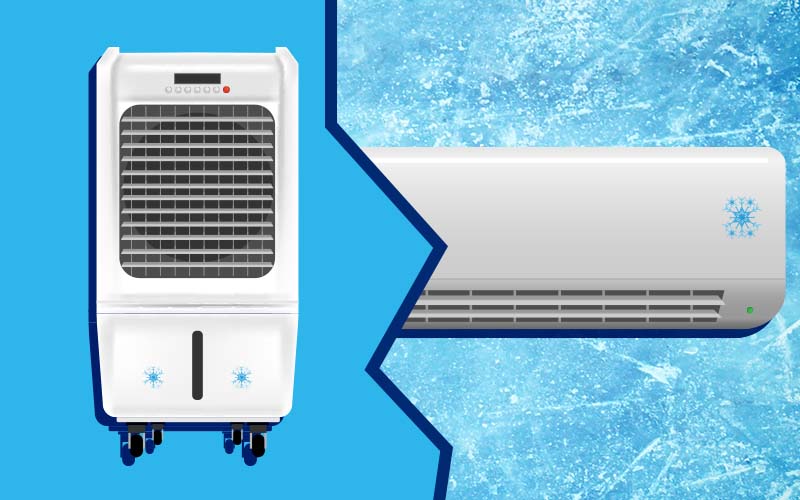
Air conditioners use a refrigeration cycle involving a compressor, condenser, and evaporator to extract heat and humidity from indoor air. The refrigerant absorbs warm air, transforms it, and releases cool, dehumidified air back into your space. This closed-loop system allows aircons to maintain precise temperature control regardless of outdoor conditions.
How Air Coolers Work
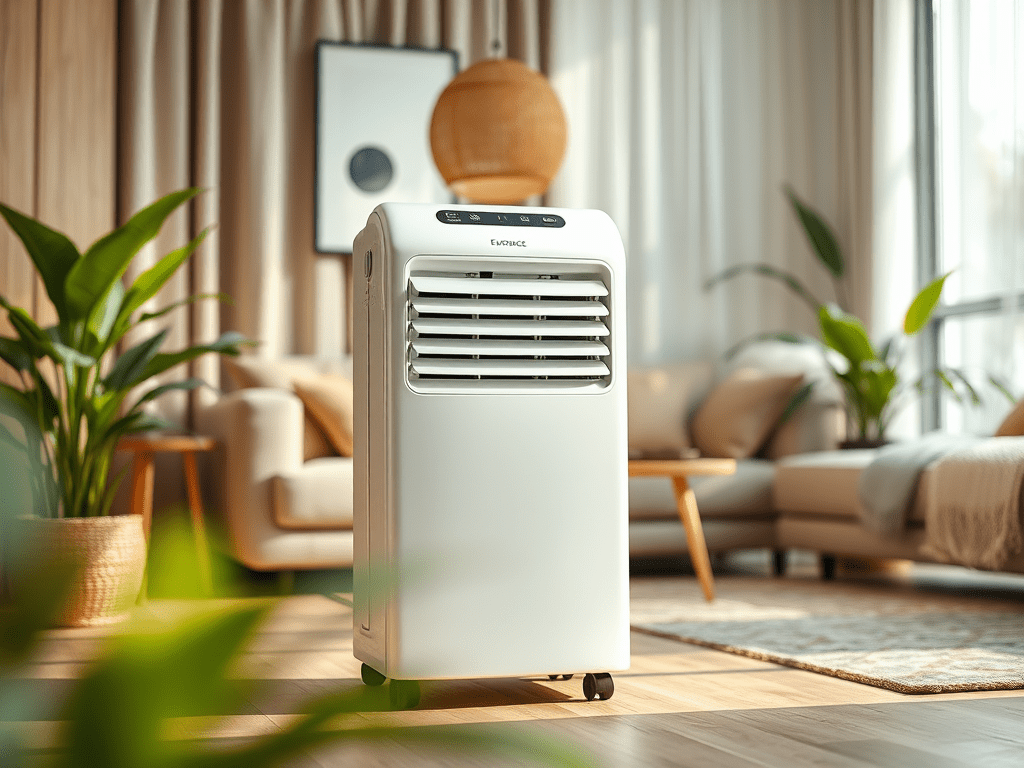
Air coolers, also known as evaporative coolers or swamp coolers, operate on a much simpler principle. They pull warm air through water-saturated pads, causing the water to evaporate. This evaporation process naturally cools the air, which is then circulated throughout the room. Unlike air conditioners, air coolers add moisture to the air rather than removing it.
This fundamental difference has significant implications for effectiveness in Singapore’s climate, which we’ll explore in detail below.
Climate Considerations: Singapore’s Unique Challenge
Singapore’s tropical climate presents a particular challenge when evaluating air cooler vs aircon options. Our average relative humidity hovers between 70-90%, and this single factor dramatically impacts the effectiveness of each cooling solution.
Air coolers work best in dry, arid climates where evaporation happens quickly and efficiently. When humidity levels are already high, the evaporation rate decreases significantly, reducing the cooling effect. In practical terms, an air cooler that might drop temperatures by 10-15°C in a dry climate may only achieve a 3-5°C reduction in Singapore’s humid conditions.
Air conditioners, on the other hand, excel in humid environments. They not only cool the air but also remove excess moisture, addressing both temperature and humidity simultaneously. This dual function makes aircons particularly effective in tropical climates where discomfort often stems from humidity as much as heat.
That said, air coolers can still provide relief in specific scenarios particularly in well-ventilated spaces, outdoor areas, or as a supplementary cooling option in rooms that don’t require precision climate control.
Cost Analysis: Initial Investment vs Long-Term Expenses
For many Singapore homeowners, the financial aspect weighs heavily in the air cooler vs aircon decision. Let’s break down the true costs of each option.
Purchase and Installation Costs
Air coolers are significantly cheaper upfront, with quality units ranging from $100 to $350. They require no installation simply fill with water, plug in, and start cooling. This makes them an attractive option for renters or those seeking an immediate, commitment-free solution.
Air conditioners demand a higher initial investment. A basic wall-mounted unit costs between $800 and $1,500, while premium inverter models can exceed $2,500. Add professional installation costs of $150 to $400, and you’re looking at a substantial upfront expense.
Operating Costs
This is where the comparison becomes interesting. Air coolers consume approximately 60-200 watts per hour, translating to roughly $5-15 monthly in electricity costs with regular use. Air conditioners typically use 1,000-2,500 watts per hour, with monthly electricity bills ranging from $50 to $150 depending on usage patterns and unit efficiency.
However, consider this: if an air cooler doesn’t adequately cool your space, you may end up running it constantly or supplementing with fans, reducing the cost advantage. Modern inverter air conditioners, while more expensive to purchase, can significantly reduce operating costs by adjusting compressor speed based on cooling demand.
Maintenance and Longevity
Air coolers require frequent maintenance cleaning water tanks to prevent bacterial growth, replacing cooling pads every 3-6 months, and regular sanitisation. Neglecting this maintenance can lead to musty odours and potentially unhealthy air quality.
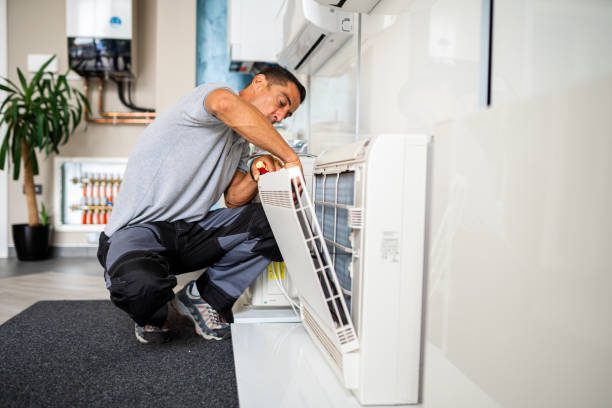
Air conditioners need professional servicing every 3-4 months in Singapore’s dusty environment. At Lion City Air Conditioner Services, we recommend quarterly maintenance to ensure optimal performance and longevity. While this adds to operating costs, a well-maintained aircon can last 10-15 years, compared to 3-5 years for most air coolers.
Practical Applications: Choosing the Right Solution for Your Space
The best choice between an air cooler and aircon often depends on your specific living situation and cooling requirements.
When Air Coolers Make Sense
- Outdoor or semi-outdoor spaces: Patios, balconies, and covered gardens where aircon isn’t practical
- Temporary cooling needs: Events, parties, or seasonal requirements
- Budget constraints: When upfront costs are a primary concern
- Well-ventilated areas: Spaces with good airflow where humidity won’t build up
- Supplementary cooling: As an addition to aircon in less-used rooms
When Air Conditioners Are the Better Choice
- Bedrooms: Where consistent, comfortable temperatures support quality sleep
- Living rooms: Main gathering spaces where family spends significant time
- Home offices: Where productivity depends on comfortable working conditions
- Sealed spaces: Rooms without adequate natural ventilation
- Health considerations: For family members with respiratory conditions or allergies
Health and Air Quality Considerations
Beyond comfort, the air cooler vs aircon debate has implications for your family’s health.
Air conditioners with proper filtration systems can improve indoor air quality by removing dust, allergens, and pollutants. Many modern units feature HEPA filters, ionisers, and anti-bacterial coatings. However, poorly maintained aircons can harbour mould and bacteria, emphasising the importance of regular professional servicing.
Air coolers, while adding humidity, require vigilant maintenance to prevent becoming breeding grounds for bacteria and mould in the water tank. In Singapore’s already humid climate, the additional moisture can potentially encourage dust mite proliferation and mould growth in poorly ventilated spaces.
For households with asthma or allergy sufferers, air conditioning typically offers better control over indoor air quality, provided units are properly maintained.
Frequently Asked Questions
Can I use an air cooler and air conditioner together?
This combination is generally not recommended. Air coolers add humidity to the air, while air conditioners work to remove it. Running both simultaneously forces your aircon to work harder to combat the added moisture, increasing energy consumption and potentially reducing the lifespan of your air conditioning unit. If you want supplementary cooling, consider a standard fan instead.
Do air coolers work effectively in HDB flats?
Effectiveness varies significantly based on ventilation. In well-ventilated HDB units with good cross-breeze, air coolers can provide moderate relief. However, in enclosed rooms or units with limited airflow, the humidity added by air coolers can accumulate, making the space feel muggy rather than cool. For consistent comfort in Singapore HDB flats, air conditioning remains the more reliable option.
How much can I save by choosing an air cooler over an aircon?
In pure electricity costs, you could save $40-130 monthly by using an air cooler instead of an air conditioner. However, factor in the reduced cooling effectiveness, shorter lifespan, and potential need for supplementary cooling solutions. The actual savings depend heavily on your specific usage patterns and comfort requirements.
What’s the most energy-efficient air conditioning option for Singapore homes?
Inverter air conditioners with high energy efficiency ratings (4-5 ticks on the NEA energy label) offer the best balance of cooling performance and energy savings. While more expensive initially, these units can reduce electricity consumption by 30-50% compared to conventional models, often paying for themselves within 2-3 years through lower utility bills.
Conclusion
The air cooler vs aircon debate ultimately comes down to your specific needs, budget, and expectations. While air coolers offer an economical entry point and work well for specific applications, Singapore’s humid climate generally favours air conditioning for reliable, comfortable cooling throughout your home.
Whether you’re considering installing a new air conditioning system, upgrading your existing unit, or need expert advice on the best cooling solution for your space, the team at Lion City Air Conditioner Services is here to help. With years of experience serving Singapore homeowners, we understand the unique challenges of keeping cool in our tropical climate and can guide you toward the most effective solution for your home and budget.
If you need extra help do:
📞 Call or WhatsApp: +65 8818 5781
🌐 Visit: https://lioncityaircon.sg