Did you know that 35% of Singaporean homeowners overpay on their monthly electricity bills by at least S$30 simply because they chose the wrong BTU rating for their HDB or condo? It’s frustrating to watch your hard-earned money vanish into inefficient cooling, especially when technical jargon like R32 refrigerant or inverter technology feels like a foreign language. Making a smart aircon purchase singapore requires more than just picking a brand name. It’s about matching the right tech to your specific floor plan to avoid the S$500 repair bills that often follow a rushed, poor installation.
You want a home that stays at a crisp 24 degrees without the constant fear of a compressor breakdown or a midnight water leak. We’ll help you master the technicalities of NEA energy ticks and system configurations so you can secure a reliable unit that lasts well beyond its 5-year warranty. This guide provides a step-by-step breakdown of current market prices, BTU calculations, and professional installation checklists to ensure your next cooling system is a long-term investment rather than a monthly drain on your bank account.
Key Takeaways
- Decode the Singapore “System” terminology and NEA energy labels to ensure your new unit meets local efficiency and regulatory standards.
- Calculate the precise BTU capacity needed for your specific layout to avoid the common pitfalls of over-sizing or under-sizing in HDBs and condos.
- Compare the 2026 reliability and smart features of leading brands like Mitsubishi Electric and Daikin to find the best cooling solution for your budget.
- Identify the critical installation materials, such as Grade G22 copper piping, that determine the long-term success of your aircon purchase singapore.
- Learn why choosing a service-first provider offers superior long-term value through transparent pricing and expert-led installation packages.
Decoding the Singapore Aircon Market: Systems, Ticks, and Tech
Making an aircon purchase singapore homeowners can trust starts with understanding the local jargon. Unlike other markets where units are sold individually, Singapore uses a “System” shorthand. This refers to a multi-split configuration where a single outdoor condenser unit powers multiple indoor units, known as fan coils. A System 1 is a simple one-to-one setup; a System 4 connects four indoor units to one compressor. Most modern HDB BTO flats and condominiums are designed with specific aircon ledges that limit your options. These ledges often measure less than 1.2 meters in length, which usually restricts you to a single large condenser rather than multiple smaller ones.
Choosing between a single System 4 or two System 2s is a common dilemma. A System 4 is generally cheaper to install and requires less ledge space. However, if the outdoor compressor fails, your entire home loses cooling. Opting for two System 2s provides redundancy. If one unit breaks down, you still have two cool rooms while waiting for a technician. In 2024, approximately 70% of HDB owners choose a single System 3 or 4 to maximize their limited ledge space and simplify maintenance schedules. To grasp the technical foundation of these units, learning how air conditioning works helps clarify why inverter technology has become the industry standard.
What Does System 1, 2, 3, or 4 Actually Mean?
The “System” number tells you exactly how many rooms you can cool with one outdoor unit. For a standard three-bedroom HDB flat, a System 4 is the typical choice, covering the living room and all three bedrooms. While a System 4 saves space, it puts a heavy load on a single compressor. If you have the luxury of two ledges, splitting the load across two systems can extend the lifespan of your hardware. We often see compressors in over-taxed System 4 setups requiring a gas top-up or part replacement 15% sooner than those in split configurations.
Understanding NEA Energy Ratings (The Tick System)
The NEA Tick rating is the primary metric for cooling efficiency in Singapore. Every unit sold locally must display an energy label from the National Environment Agency. These labels range from 1 to 5 ticks. By 2026, 5-tick models will be the absolute gold standard for any aircon purchase singapore residents make to combat rising electricity tariffs. The efficiency gap is massive. A 5-tick model can save you significant money compared to a 2-tick model. Based on average usage of 8 hours a night at 25 degrees Celsius, a 5-tick System 3 costs roughly S$500 per year to run, while a 2-tick version can exceed S$850.
- Long-term ROI: While a 5-tick system costs about S$300 to S$600 more upfront, it pays for itself in electricity savings within 24 months.
- Future-Proofing: As NEA tightens regulations, lower-tick models lose resale value and become harder to find parts for.
- Environmental Impact: 5-tick units use R32 refrigerant, which has a much lower global warming potential than older R410A gases.
Inverter technology is now mandatory for anyone seeking efficiency. Non-inverter units are virtually obsolete because they operate at a fixed speed; they’re either 100% on or 100% off. This constant cycling wastes energy and creates temperature swings. Modern inverters adjust their motor speed to maintain a steady temperature, using 30% to 50% less power. When you invest in a new system, stick to 5-tick inverters from reputable brands to ensure your home stays cool without a massive monthly bill.
Choosing the Right Capacity: BTU Calculations for Singapore Homes
BTU stands for British Thermal Unit, and it measures the cooling capacity of your air conditioner. Getting this number right is the most critical step in your aircon purchase singapore journey. If you install a unit with low BTU, the compressor works overtime and never reaches your target temperature. This leads to premature wear and high electricity bills. Conversely, an oversized unit cools the room too quickly without removing humidity. This results in a “clammy” cold feeling and potential mold growth on your walls. Most HDB bedrooms require a baseline of 9,000 BTU, but your specific floor plan changes these requirements significantly.
Ceiling height is a factor many homeowners overlook. While standard HDB flats have a ceiling height of 2.6 meters, many modern condominiums feature loft units or high ceilings reaching 3.2 meters or more. This 23% increase in air volume means a standard 9,000 BTU unit will struggle. You must calculate the volume of the room, not just the floor area, to ensure the system handles the extra space. Understanding energy efficiency in Singapore is vital here, as choosing the right capacity directly impacts your long term running costs and the unit’s lifespan.
BTU Sizing Chart for Common Singapore Room Types
For a standard HDB common room of 9 to 11 square meters, a 9,000 BTU unit is usually sufficient. Master bedrooms, typically measuring 12 to 15 square meters, benefit from 12,000 BTU units to ensure rapid cooling after a long day. Living rooms in 3-room flats generally need 18,000 BTU, while 4-room and 5-room flats often require 21,000 to 24,000 BTU. If you have an open-concept kitchen connected to your living hall, add 4,000 BTU to account for the heat generated by cooking appliances and the lack of partitions.
The Impact of Heat Load Factors
The “West Sun” is a notorious factor in Singapore property. If your bedroom windows face the afternoon sun, the concrete walls absorb heat all day and radiate it back inside at night. We recommend adding a 15% buffer to your BTU calculation for these units. Top-floor units also face higher heat loads because they lack a residential unit above to act as an insulator. In these cases, a slightly higher capacity compressor ensures your system doesn’t struggle during the 34°C peak afternoon heat.
Occupancy and electronics also matter. Each person in a room adds roughly 500 BTU of heat load. If you use your room as a home office with multiple monitors and a gaming PC, these devices can add another 1,000 to 1,500 BTU. Choosing “Inverter Over-capacity” is often a smart move. An inverter system can throttle down its power once the room is cool, so having a slightly more powerful unit allows you to reach your comfort zone faster without wasting energy in the long run. If you’re unsure about your layout, you can speak with our technicians to get an accurate site assessment before you buy.
Balancing the living room and bedroom needs requires a strategic approach to your aircon purchase singapore. Most homeowners opt for a Multi-Split System (System 3 or System 4). This allows one large outdoor compressor to power multiple indoor units of varying BTU capacities. It’s a space-saving solution that provides 24,000 BTU for the living hall and 9,000 BTU for the bedrooms, all while maintaining a slim profile on your aircon ledge. Always prioritize the BTU needs of the room you use most frequently to maximize your investment.
Top Aircon Brands in Singapore: 2026 Reliability Comparison
Choosing the right unit for your aircon purchase singapore requires looking past the glossy marketing brochures. In 2026, Mitsubishi Electric, Daikin, and Panasonic continue to command 78% of the local residential market. These brands stay on top because their local supply chains are optimized for Singapore’s unique housing needs. If your unit breaks on a Sunday afternoon, a technician is far more likely to have a Mitsubishi fan motor or a Daikin thermistor in the service van than a part for a niche brand. This infrastructure reduces your downtime from several days to just a few hours.
Prism+ and Midea have shifted the landscape by offering high-spec smart features at 20% to 30% lower price points than traditional Japanese rivals. Midea, which serves as the original equipment manufacturer for various global labels, has improved its build quality significantly since 2023. While these brands offer excellent app integration and sleek aesthetics, their long-term reliability over a 10-year lifespan is still being proven. In contrast, the “Big Three” Japanese brands have a 30-year track record of surviving the relentless humidity of the Lion City.
Spare part availability directly dictates your future repair costs. Popular models benefit from a secondary market of high-quality compatible parts. For instance, a generic capacitor for a Mitsubishi Starmex might cost S$40, while a proprietary part for a less common brand could exceed S$120. Warranty structures also play a role in your budget. Most 2026 models include a 5-year compressor warranty and 1-year full-unit coverage. We’ve seen 2026 promotional bundles from major retailers extending parts coverage to 3 years for specific multi-split systems. You should always verify if the warranty includes transport and labor fees; these often cost S$80 to S$150 per visit even if the component is free.
Mitsubishi Electric Starmex vs. Daikin iSmile Eco
The Mitsubishi Starmex remains the gold standard for DIY maintenance in 2026. Its “Easy Clean” design features lateral vanes that you can pop open without specialized tools, letting you reach the cross-flow fan to wipe away dust. Daikin’s iSmile Eco series focuses on extreme quietness. The iSmile indoor unit operates at 19dB, which is quieter than a whisper in a library. For light sleepers in HDB flats where concrete walls tend to carry vibrations, that 2dB difference compared to other brands is a significant advantage.
Modern Features: Wi-Fi Control and PM2.5 Filtration
By 2026, built-in Wi-Fi isn’t a luxury; it’s a standard requirement for 92% of new aircon purchase singapore installations. It allows you to pre-cool your living room via a smartphone app 10 minutes before you reach home. Air purification has also become a non-negotiable feature. With NEA’s stricter air quality targets, PM2.5 filters and ionizers like Panasonic’s Nanoe-X are essential for families managing asthma or allergies. Additionally, all new units now use R32 refrigerant. It has a Global Warming Potential of 675, which is roughly one-third that of the older R410A gas, making it the only legal and eco-friendly choice for modern homeowners.
Installation Quality: The Hidden Factor in Your Aircon Purchase
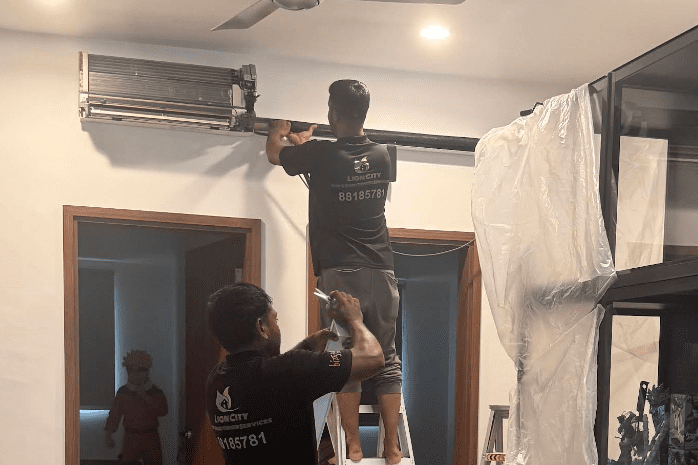
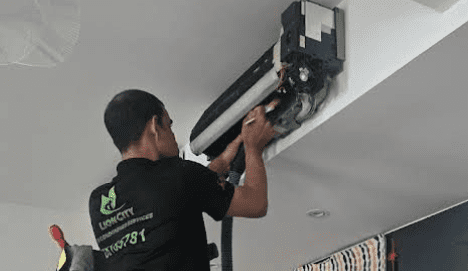
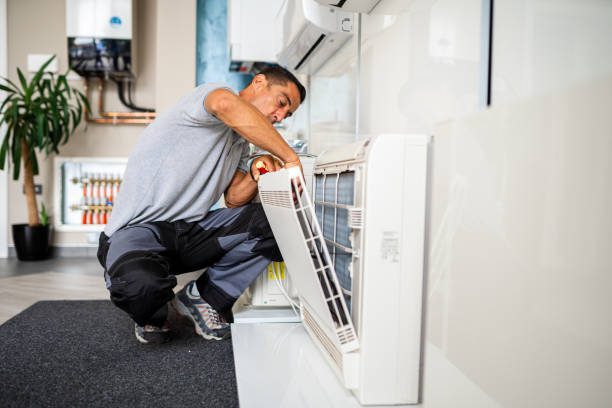
Choosing the right unit is only half the battle. When you finalize your aircon purchase singapore, the quality of the installation determines whether that unit lasts 10 years or breaks down in two. We often see homeowners choose the lowest quote, only to spend S$800 or more on rectification works within the first 18 months. Cheap labor usually means cheap materials hidden behind the plastic trunking. These shortcuts lead to gas leaks, water dripping, and increased electricity bills because the system has to work twice as hard to stay cool. A bargain upfront often turns into a financial drain later.
Copper Piping and Insulation Standards
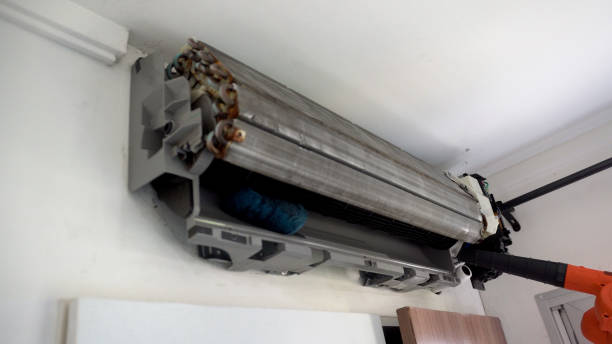
Materials are the backbone of your cooling system. We insist on Grade G22 copper piping, which features a wall thickness of 0.71mm. Thinner G23 or G24 alternatives often fail under the 400 PSI pressure of modern R32 refrigerant. If the copper cracks, your gas leaks out and your compressor can burn out. Insulation is equally critical. While many contractors use 3/8 inch insulation to save costs, we recommend 1/2 inch Armaflex insulation for all installations. Singapore’s average humidity stays around 84%, and thinner insulation cannot prevent “sweating” pipes. This condensation eventually rots your floorboards or creates mold patches on your ceiling. Proper drainage requires a consistent 1:100 downward slope. Without this precise inclination, water stays stagnant in the pipes, leading to jelly-like bio-slime that causes frequent indoor unit leaks.
HDB Permits and Professional Installation
Safety and legality are non-negotiable in the local market. You must apply for an HDB permit if your installation requires a new stainless steel bracket or if you’re changing the position of the compressor. Hiring a BCA-certified trained installer isn’t just a suggestion; it’s a legal requirement under the Building Control Act. Technicians must undergo specific training to ensure the external ledge can support the weight of the unit safely. Failure to comply can result in a fine of up to S$5,000. Professional installation is the only way to validate a manufacturer warranty. If a non-certified worker touches your unit, brands like Mitsubishi or Daikin will void your 5-year compressor warranty immediately. We handle the paperwork and technical compliance so you don’t have to worry about legal headaches or safety risks. Your aircon purchase singapore should be a long-term investment, not a recurring repair bill.
Don’t risk your home’s safety with sub-standard materials. WhatsApp us today for a transparent quote on high-quality aircon installation.
Why Buy From Lion City Aircon? Expert Service Meets Competitive Sales
Most homeowners head to a big-box retailer for their aircon purchase singapore, but they often regret it once the third-party installer arrives. At Lion City Air Conditioner Services Pte Ltd, we are technicians first and salespeople second. We don’t just move boxes; we design cooling systems. Our 2026 sales and installation packages are built on technical durability. We use 12mm Armaflex insulation and G22 copper piping as our standard materials. These premium components prevent the condensation leaks that plague 18% of new installations within the first 24 months.
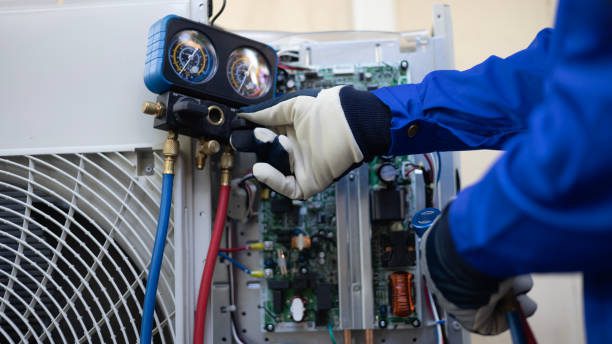
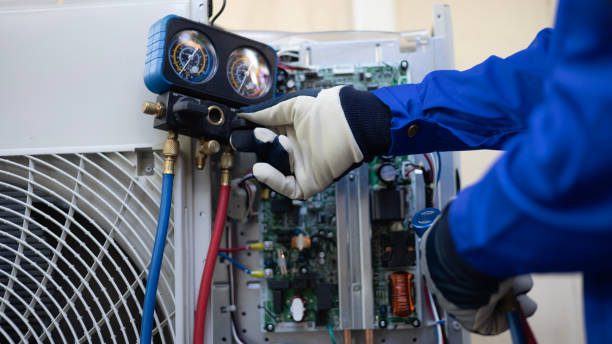
Our approach eliminates the middleman. When you buy from a general retailer, the person selling you the unit has likely never climbed a ladder or handled a manifold gauge. Our team understands how a Daikin System 3 performs in a high-floor HDB flat versus a ground-floor condo unit. We offer an integrated experience where the person who advises you is part of the same team that will maintain your unit for the next decade.
Transparency is the cornerstone of our business model. You won’t find hidden “installation surcharges” in our quotes. While other providers might hook you with a low base price and then add S$150 for stainless steel brackets or S$90 for drainage pipe extensions, our pricing is all-inclusive. You’ll know the exact final cost before the first screw is turned. This honest pricing structure ensures your aircon purchase singapore stays within your budget without compromising on material quality.
Direct Technical Advice Before You Buy
We provide free site surveys for every potential client because every Singaporean home has unique airflow challenges. Whether you’re moving into a new 4-room BTO in Tengah or upgrading a 30-year-old landed property in Serangoon, the layout dictates the tech. We calculate the precise BTU requirements for your specific floor plan to ensure you don’t overspend on an oversized system that will only lead to higher electricity bills and short-cycling issues.
Matching your budget to the right brand is about more than just the price tag. We analyze the long-term part availability for brands like Mitsubishi Electric, Panasonic, and Midea. For HDB owners, we focus on compact outdoor units that comply with HDB weight and size regulations. For landed property owners, we design multi-split solutions that provide independent climate control for every level of the house without cluttering your exterior walls.
The Lion City Air Conditioner Services Pte Ltd Lifetime Support Guarantee
Proper maintenance can extend the lifespan of your new unit by an average of 4.2 years. Our relationship with you begins after the installation is complete. We offer recurring maintenance contracts that can save you up to 25% on annual servicing costs. By scheduling check-ups every 4 months, we catch minor refrigerant leaks or sensor issues before they turn into expensive compressor failures. It’s a proactive strategy that ensures your home stays cool even during the peak April heatwaves.
Every sales customer receives priority status in our service queue. If your unit stops cooling on a Sunday afternoon, you won’t have to wait 72 hours for a response. Our technicians are familiar with your specific installation history, which makes troubleshooting faster and more accurate. We stand by our workmanship with a comprehensive guarantee that covers both the hardware and the installation labor.
Secure Your Home Comfort for 2026 and Beyond
A successful 2026 cooling strategy requires balancing NEA 5-tick energy efficiency with precise BTU calculations. Getting the sizing right saves you up to S$300 in annual power bills and prevents premature compressor failure. Choosing a reliable brand like Daikin, Mitsubishi, or Panasonic is only half the battle; the quality of your copper piping and insulation determines if your system survives its full 12-year life expectancy. Subpar installation often leads to a 20% drop in cooling performance within the first 12 months.
Lion City Aircon simplifies your aircon purchase singapore journey by combining technical expertise with straightforward service. Our BCA-certified installers specialize in modern multi-split systems, ensuring every connection meets strict safety standards. We provide transparent, all-inclusive pricing with no hidden material surcharges, so you’ll know the final cost before the first bracket is drilled. We’re here to make sure your investment delivers the reliability your family deserves.
Browse our 2026 Aircon Packages & Request a Quote
We look forward to keeping your Singapore home cool and refreshed all year round.
Frequently Asked Questions
How much does it cost to buy and install a System 3 aircon in Singapore?
A standard System 3 aircon purchase in Singapore typically costs between S$3,200 and S$4,800 including basic installation. Prices vary based on whether you choose a 5-tick model or premium brands like Daikin or Mitsubishi Electric. This price range covers the compressor, three indoor units, and standard materials like 1/2-inch insulation and G22 copper piping. We recommend budgeting an extra S$200 for premium trunking if your home layout is complex.
Is it better to buy an aircon from a big retailer or a specialist contractor?
Specialist contractors are generally better because they provide direct technical support and more flexible installation options. Big retailers often outsource their labor, which can lead to communication gaps or inconsistent workmanship. Choosing a specialist ensures you get a dedicated team that understands the specific layout of your HDB or condo, often at a 10% lower price point. You’ll also get a direct line to the technician who performed the work.
What is the most energy-efficient aircon brand in Singapore for 2026?
The Daikin iSmileEco series remains the most energy-efficient choice for 2026, boasting a 5-tick NEA rating and a low Global Warming Potential. These units use R32 refrigerant to reduce electricity consumption by 30% compared to older 3-tick models. Investing in this technology helps homeowners save approximately S$250 annually on utility bills while maintaining optimal cooling. It’s the smartest way to keep your home cool without breaking the bank or harming the environment.
Can I install a System 4 aircon in a 3-room HDB flat?
You can install a System 4 in a 3-room HDB flat, but you must ensure the compressor doesn’t exceed the 8.5kg weight limit for standard brackets. Most 3-room owners find a System 3 sufficient for the living room and two bedrooms. If you choose a System 4, ensure your electrical loading doesn’t exceed 15 amps to avoid tripping the circuit breaker. It’s vital to check your specific HDB floor plan before buying.
How long does a typical aircon installation take in a condo?
A typical aircon installation in a condo takes between 6 and 8 hours for a System 3 setup. This timeline includes decommissioning old units, running new refrigerant pipes, and testing the drainage system. Complexity increases if you require scaffolding for external ledges or if the management limits working hours to between 9:00 AM and 5:00 PM. Our team always arrives by 9:30 AM to maximize the available work window and ensure completion.
Do I need to change my existing copper piping when buying a new aircon?
You should always replace your copper piping when making a new aircon purchase singapore to prevent oil contamination and gas leaks. Modern R32 systems operate at higher pressures than older R22 units, requiring thicker G23 or G22 grade copper. Reusing 10-year-old pipes often leads to compressor failure within 24 months. This mistake voids your manufacturer warranty and costs more in repairs than the initial piping installation would have cost you.
What is the difference between R410A and R32 refrigerant?
R32 refrigerant is 68% less harmful to the environment than R410A and offers 10% better cooling efficiency. Most major brands in Singapore have shifted to R32 because it has a lower Global Warming Potential of 675. Since it carries heat more effectively, R32 units require less refrigerant volume to operate. This makes them the standard for all new residential installations in 2026, ensuring your system stays relevant and easy to maintain for years.
How often should I service a brand-new aircon unit?
You should service your brand-new aircon every 3 to 4 months to maintain its 5-tick efficiency and valid warranty status. Regular cleaning prevents dust buildup in the cooling coils, which can reduce airflow by 20% if left unattended. For units used more than 8 hours daily, we recommend a professional chemical wash every 12 months. This clears stubborn jelly in the drainage tray and prevents costly water leaks from damaging your walls.