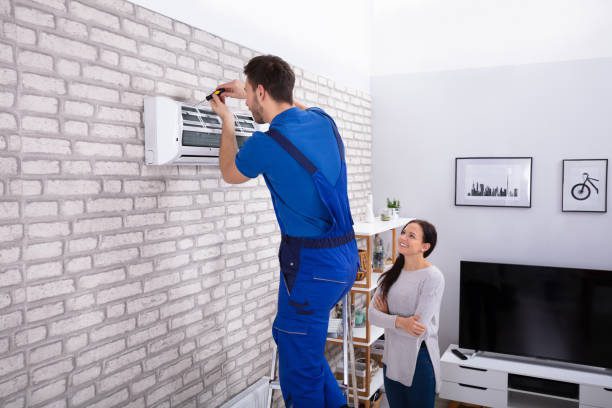
In Singapore, many homeowners think that old and new aircon units can be serviced in the same way. However, this is not true. In reality, older and newer aircons need different servicing care to stay efficient and problem-free. If they are serviced wrongly, they may cool poorly, consume more electricity, or even break down faster. So, let’s take a closer look at how servicing should differ, and more importantly, how you can protect your aircon and your comfort.
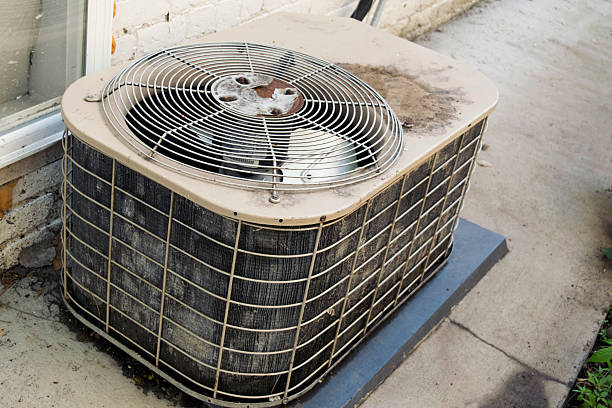
Why Older Aircon Units in Singapore Need Extra Care
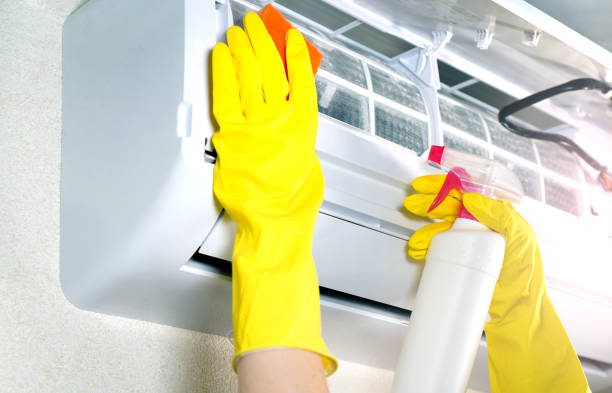
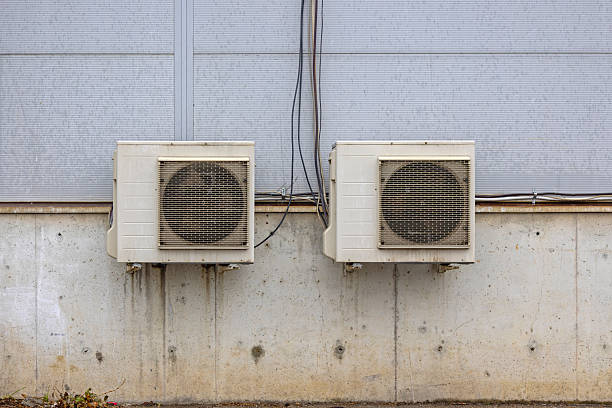
Older aircon units in HDB flats, condos, and landed homes have already worked hard for many years. Because of this, they often experience more wear and tear. Therefore, older aircons usually need deeper and more frequent servicing.
Common Problems in Older Singapore Aircons
Thick dirt buildup inside the evaporator coil
Weak or uneven cooling
High electricity usage
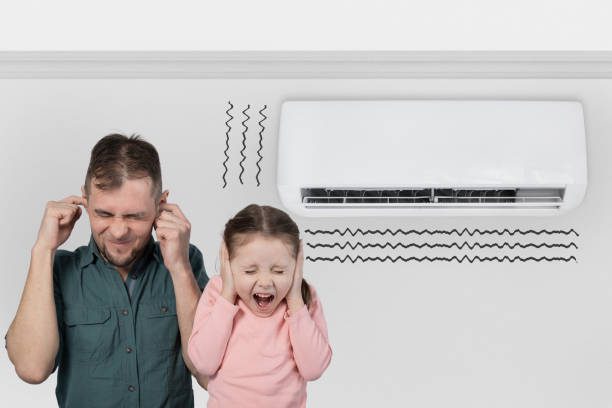
Strange noise or vibration
Higher chance of gas leaks
Since these issues can get worse over time, older aircon servicing in Singapore must include careful inspection. Technicians should check the fan motor, wiring, compressor, and gas pressure to ensure the unit is still safe and efficient. With proper care, older systems can still cool well and last longer.
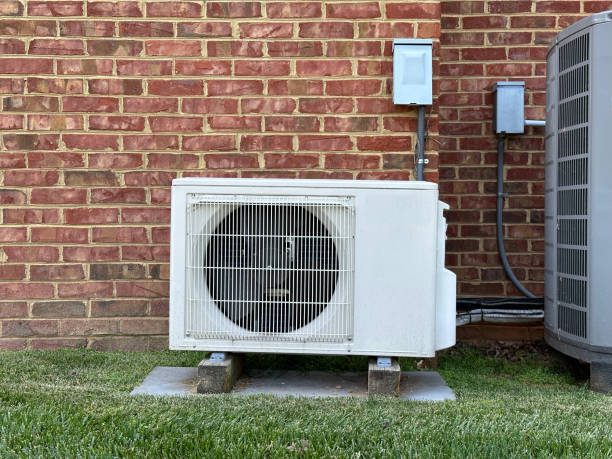
How Newer Inverter Aircons Are Different
Meanwhile, newer inverter aircon units in Singapore are smarter and more energy-efficient. They often cool better and save more electricity. However, they are also more sensitive. So, while they are advanced, they must be serviced correctly.
What Newer Aircon Units Usually Need
Gentle but effective cleaning
Accurate gas pressure testing
Proper handling of sensors and electronics
Careful attention to inverter control boards
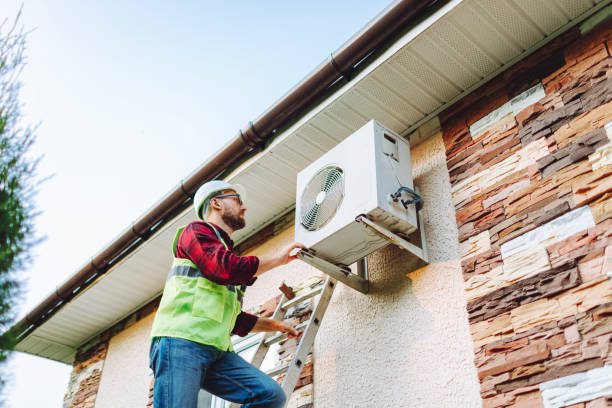
Because of their advanced technology, DIY servicing is not recommended. Instead, professional aircon servicing in Singapore is safer and more reliable.
Do Old and New Aircons Need Different Servicing?
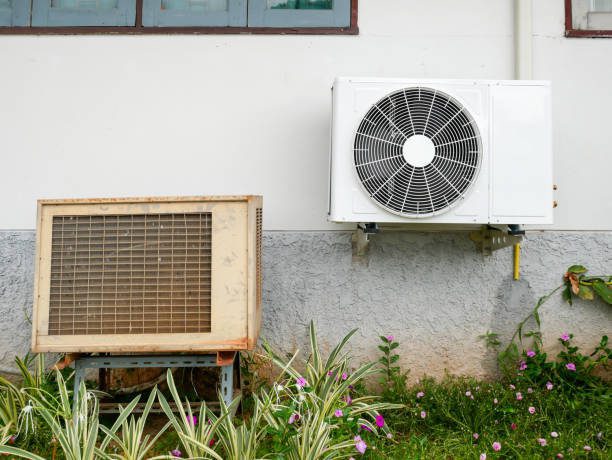
Yes, they definitely do. Although both need regular servicing, the approach should not be the same.
Older units often need deeper cleaning and closer inspection
Newer inverter units need careful, precise handling
If treated the same way, you may face weak cooling, frequent breakdowns, or even costly damage.
How Often Should You Service Your Aircon in Singapore?
To keep your cooling strong and stable:
✔️ New Inverter Aircons: Service every 3–4 months
✔️ Older Aircons: Service every 2–3 months
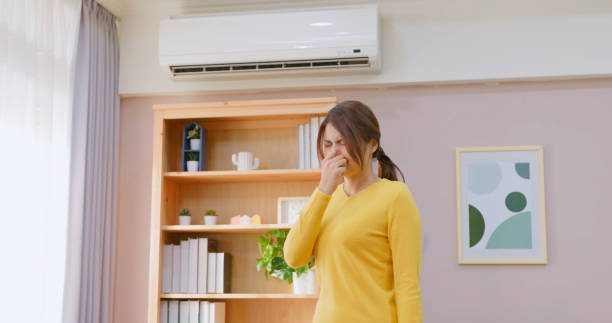
However, if you notice warm air, a bad smell, leaking water, loud noise, or weak airflow, then it is best to schedule servicing immediately.
Choose the Right Aircon Servicing Company in Singapore
Choosing the right team makes a big difference. The right Singapore aircon servicing company can help your unit last longer, cool better, and save energy.
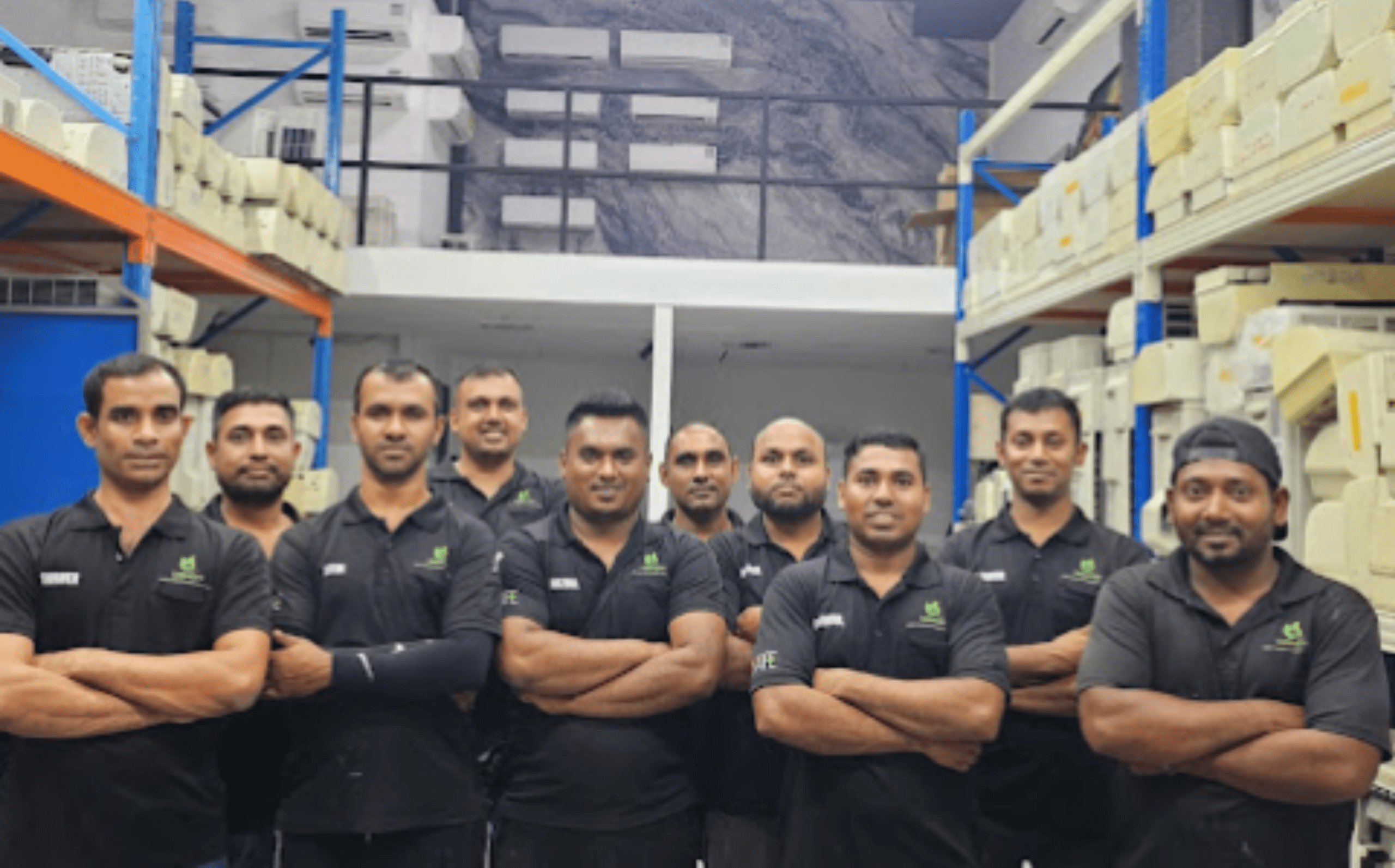
At Lion City Air Conditioner Services, we understand that old and new aircons need different care. Our trained technicians know how to service HDB, condo, and landed home systems safely and effectively. So, instead of worrying, you can relax while we handle everything for you.
📞 Call us at +65 8818 5781
🌐 Book your service online: lioncityaircon.sg
With the right servicing approach, your aircon — whether old or new — will stay powerful, efficient, and long-lasting in Singapore’s hot and humid weather.