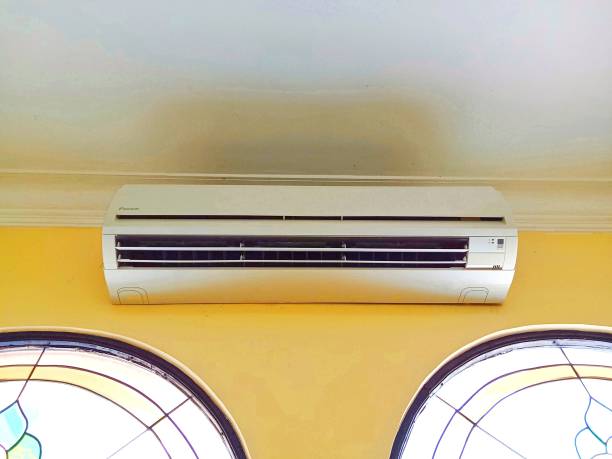
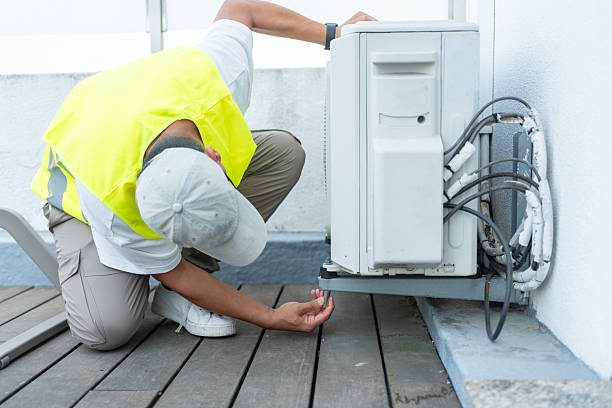
If you’ve ever touched your aircon pipes and noticed they feel unusually hot, you’re not alone. Many Singapore homeowners experience this but don’t know what it means. At first, it may seem harmless. However, hot aircon pipes can signal hidden problems that may worsen over time.
In this guide, we’ll break down the real reasons your aircon pipes get hot, explain when you should worry, and share simple steps to prevent damage. Let’s get started.
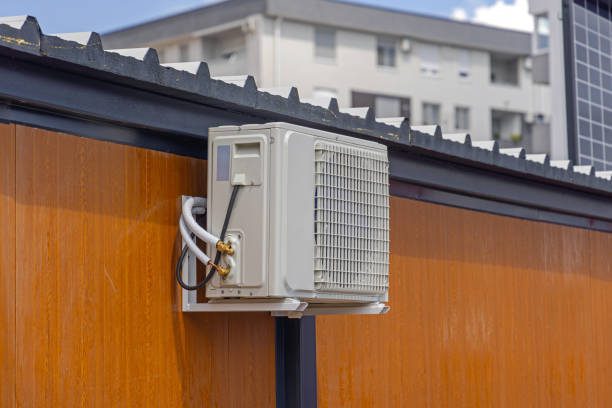
1. Normal vs Abnormal Heat: What’s the Difference?
Before anything else, it’s important to understand that mild warmth is normal. Your aircon pipes carry refrigerant, so slight heat is expected during operation.
However, you should worry when the pipes become:
Too hot to touch
Hot even when the aircon is off
Hot and accompanied by weak cooling
Hot and sweating excessively
These are clear signs something isn’t right.
2. Low Refrigerant Gas (Common in Singapore Homes)
One of the most common reasons for hot aircon pipes is low refrigerant gas. Because of Singapore’s humid climate, leaks tend to worsen quickly.
Why it happens:
When gas levels drop, your aircon struggles to cool the refrigerant. As a result, the pipes heat up instead of staying cool.
Other symptoms:
Aircon not cold
Bubbles or hissing sounds
Higher electricity bills
What to do:
Book an aircon gas top-up and leak check immediately. Otherwise, the compressor may overheat.
3. Dirty Condenser Coil (Usually from Irregular Servicing)
Next, a dirty outdoor condenser can trap heat that should be released into the air. This causes the pipes to overheat.
Why it happens in Singapore:
Dust, dead insects, construction debris, and roadside pollution often clog condenser fins faster than expected.
Other symptoms:
Outdoor unit feels unusually hot
Loud or struggling noises
Rooms take longer to cool
What to do:
Schedule chemical servicing or outdoor unit cleaning. It allows heat to escape properly again.
4. Blocked Airflow From the Indoor Unit
When airflow drops, the refrigerant cycle becomes unstable, causing pipes to heat up.
Common causes:
Clogged filters
Dirty evaporator coil
Dusty blower wheel
Blocked vents
Symptoms:
Weak airflow
Dusty smell
Irregular cooling patterns
What to do:
Clean your filters every 2–3 weeks and book general servicing regularly.
5. Compressor Problems (Serious Warning Sign)
When the compressor fails to regulate pressure, the pipes may become hot very quickly.
Signs of compressor trouble:
Loud buzzing or clicking
AC trips your circuit breaker
Pipes burning hot
Aircon stops cooling suddenly
What to do:
Call a professional immediately. Compressor issues should never be ignored, as they can lead to full system breakdown.
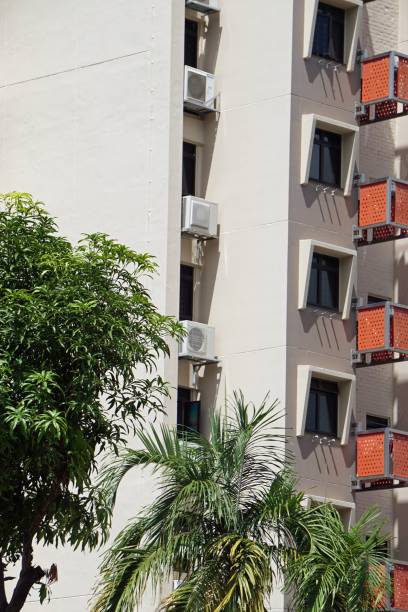
6. Insulation Damage (Very Common in HDB & Condo Installations)
Over time, the insulation around your aircon pipes can crack, tear, or degrade. When this happens, heat escapes from the refrigerant line, making the pipes feel hot.
Why it happens:
Sun exposure
Wear and tear
Pest damage
Aging insulation
Other symptoms:
Condensation or dripping
Visible cracks in insulation foam
Higher energy usage
What to do:
Replace damaged insulation to restore proper thermal protection.
When Should You Worry?
You should take action immediately if:
The pipe is too hot to touch
Cooling suddenly becomes weak
Water starts dripping from the trunking
The outdoor unit makes unusual noises
The aircon shuts down unexpectedly
These are signs of deeper mechanical or refrigerant issues.
How to Prevent Hot Pipes in the Future
Here’s what you can do to keep your aircon healthy:
✔ Clean your filters regularly
Every 2–3 weeks.
✔ Get quarterly servicing
Especially in Singapore’s dusty, humid weather.
✔ Schedule a chemical wash yearly
If you use your aircon daily.
✔ Check insulation during each maintenance
Damaged insulation is cheap to replace but costly if ignored.
✔ Fix leaks ASAP
Never operate an aircon with low gas.
Hot aircon pipes aren’t always a crisis, but they can indicate serious problems when ignored. From low refrigerant to clogged condenser coils and damaged insulation, each issue has a clear solution. With proper servicing and early action, your aircon will stay efficient, cool, and long-lasting.
Need Professional Help?
Lion City Aircon offers:
General servicing
Chemical wash
- Chemical overhaul
Gas top-up
Troubleshooting
📞 Call us at +65 8818 5781
🌐 Book Online: lioncityaircon.sg