Choosing the right system 4 aircon for your Singapore home is one of the most significant investment decisions you’ll make, impacting both your daily comfort and monthly utility bills for years to come. With countless brands, features, and installation considerations to navigate, understanding the fundamentals before making a purchase can save you thousands of dollars and countless headaches down the road.
What Exactly Is a System 4 Aircon and Why Is It Popular in Singapore?
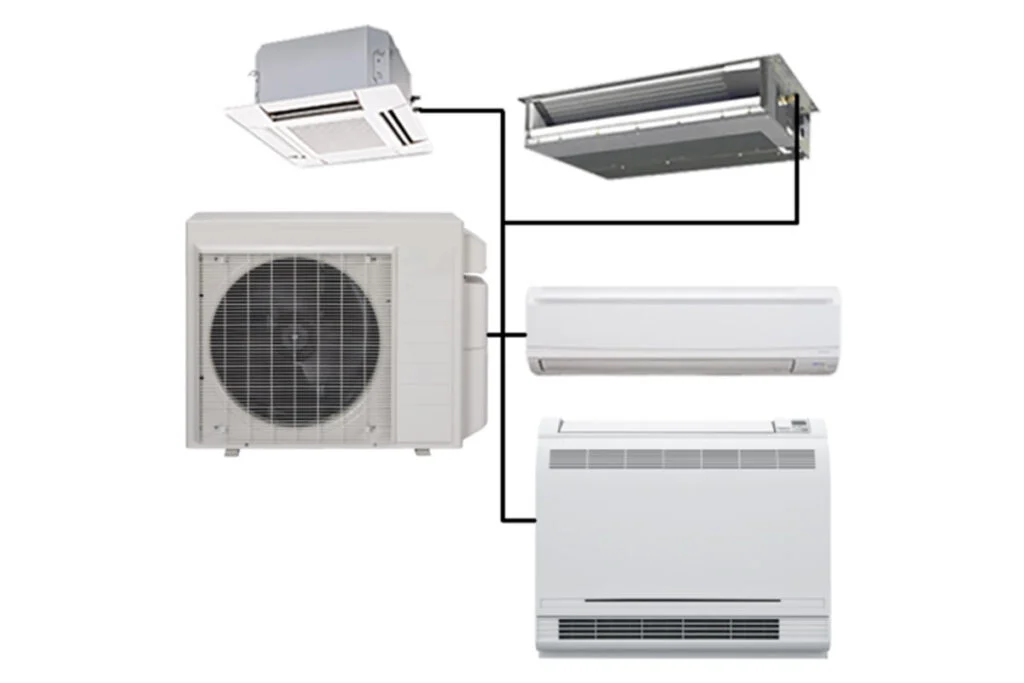
A system 4 aircon refers to a multi-split air conditioning setup where a single outdoor condensing unit powers four separate indoor fan coil units. This configuration has become the gold standard for Singapore’s HDB flats and condominiums, particularly for 4-room and 5-room apartments where whole-home cooling is essential.
The beauty of this system lies in its efficiency and flexibility. Rather than installing four separate split units with four outdoor compressors, a system 4 aircon consolidates everything into one powerful outdoor unit. This approach offers several compelling advantages:
Space optimization: Only one outdoor unit required, preserving valuable balcony or yard space
Cost efficiency: Lower upfront installation costs compared to multiple individual units
Aesthetic appeal: Cleaner exterior appearance with fewer outdoor components
Centralized maintenance: One outdoor unit means simplified servicing routines
At Lion City Air Conditioner Services, we’ve observed that approximately 70% of our residential installations involve system 4 aircon setups, reflecting their widespread adoption across Singapore households.
Critical Factors to Consider When Selecting Your System 4 Aircon
Selecting the optimal system 4 aircon requires careful evaluation of multiple interconnected factors. Making an informed decision now prevents costly modifications and premature replacements later.
Energy Efficiency Ratings
Singapore’s tropical climate means your aircon works overtime compared to temperate regions. A 5-tick energy rating isn’t just a nice-to-have it’s essential for managing electricity costs. The difference between a 3-tick and 5-tick system can translate to savings of $300-500 annually, meaning the higher upfront investment typically pays for itself within 2-3 years.
Cooling Capacity and BTU Requirements
Proper sizing is absolutely critical for system 4 aircon performance. Undersized units struggle to cool adequately, running constantly and driving up electricity bills. Oversized systems cycle on and off too frequently, reducing humidity control and accelerating component wear.
For Singapore homes, the general guideline is approximately 65-90 BTU per square foot, adjusted for:
- Sun exposure and window orientation
- Ceiling height variations
- Number of occupants per room
- Heat-generating appliances
- Building insulation quality
- Noise Levels and Indoor Comfort
Modern system 4 aircon units have made remarkable strides in noise reduction. Premium models now operate at 19-22 decibels quieter than a whisper. For bedrooms, prioritizing ultra-quiet operation ensures uninterrupted sleep, while living areas can tolerate slightly higher noise levels given ambient household sounds.
Smart Features and Connectivity
WiFi-enabled controls have transitioned from luxury to expectation. The ability to pre-cool your home before arriving, monitor energy consumption in real-time, and receive maintenance alerts adds genuine value to your investment. Look for systems offering intuitive smartphone apps with comprehensive functionality.
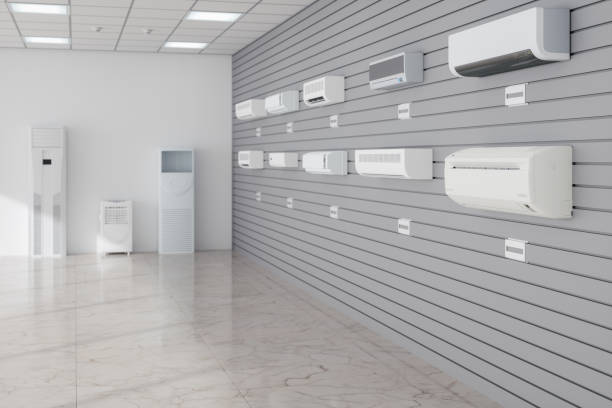
Top System 4 Aircon Brands Dominating the Singapore Market
The Singapore market features several established players, each with distinct strengths and considerations worth evaluating.
Japanese Manufacturers
Japanese brands like Mitsubishi Electric, Daikin, and Panasonic continue commanding premium market positions. Their reputation rests on decades of reliability, whisper-quiet operation, and engineering excellence. These manufacturers typically offer robust after-sales support networks throughout Singapore, ensuring parts availability and qualified technicians when needed.
Japanese system 4 aircon units generally range from $3,800-$5,500 depending on specifications and model year. While the initial investment is substantial, the combination of durability, efficiency, and resale value often justifies the premium pricing.
Korean Alternatives
Samsung and LG have established credible alternatives, particularly appealing to consumers seeking advanced smart home integration. Their systems typically slot between Japanese premium offerings and budget options in terms of pricing and feature sets.
Chinese Competitors
Brands like Midea, Gree, and TCL have disrupted the market with increasingly competitive offerings. Modern Chinese system 4 aircon units now match 5-tick efficiency standards while undercutting established brands by 20-40%. Quality has improved significantly, though long-term reliability data remains limited compared to Japanese competitors.
Installation Quality: The Often Overlooked Critical Factor
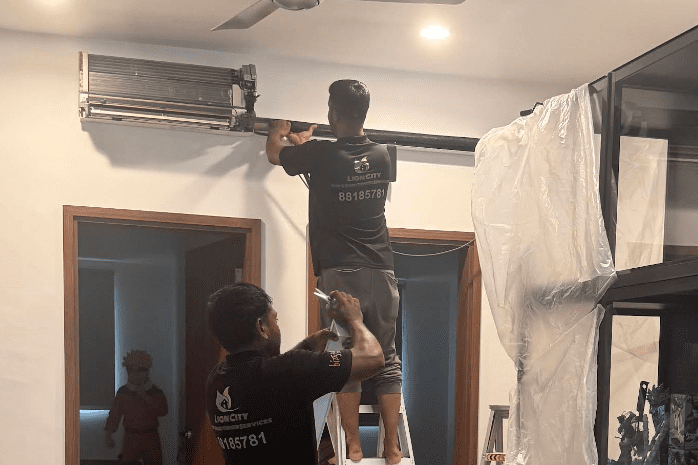
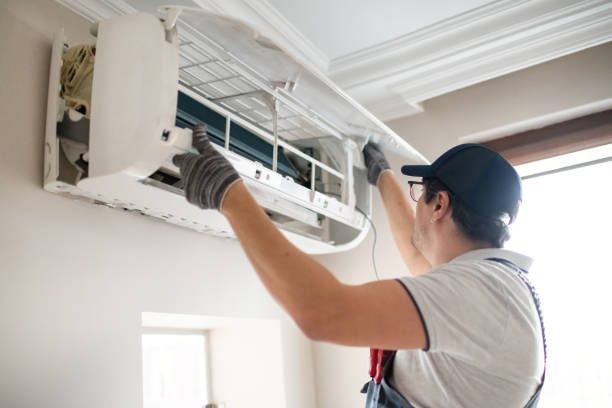
Here’s a truth that many homeowners learn too late: even the finest system 4 aircon performs poorly with substandard installation. The workmanship quality influences cooling efficiency, system longevity, and operating costs throughout your unit’s lifespan.
What Distinguishes Professional Installation
Proper installation encompasses numerous technical details that significantly impact performance:
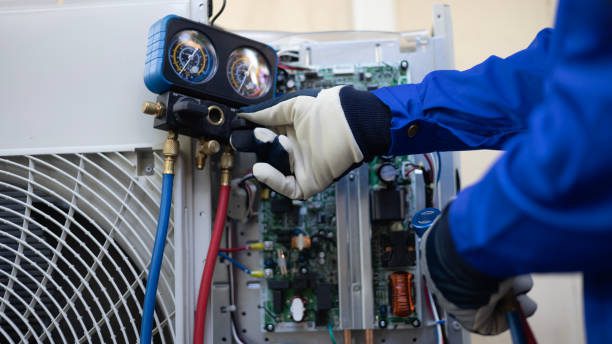
- Correct refrigerant charging: Both overcharging and undercharging compromise efficiency and accelerate wear
- Proper drainage gradient: Inadequate slopes cause water backup, leaks, and potential ceiling damage
- Quality copper piping: Thicker walls and proper insulation prevent energy losses and condensation issues
- Secure mounting: Vibration from improperly secured units creates noise and accelerates component fatigue
- Adequate ventilation for outdoor units: Poor airflow around condensers dramatically reduces efficiency
Lion City Air Conditioner Services emphasizes that professional installation typically accounts for 40% of your system 4 aircon’s long-term performance. Cutting corners during installation to save a few hundred dollars often costs thousands in premature repairs and elevated electricity consumption.
Questions to Ask Your Installer
Before committing to any installation, ensure your contractor can address:
- What thickness copper piping will be used?
- How is the warranty affected by installation quality issues?
- What drainage solutions are proposed for your specific layout?
- Are they factory-trained for your chosen brand?
Maintenance Requirements for Optimal System 4 Aircon Performance
Regular maintenance isn’t optional it’s essential for preserving your investment and maintaining cooling effectiveness. A well-maintained system 4 aircon operates more efficiently, lasts longer, and provides healthier indoor air quality.
Recommended Maintenance Schedule
Monthly (DIY): Clean or replace air filters across all four indoor units. Clogged filters force the system to work harder, increasing energy consumption by up to 15%.
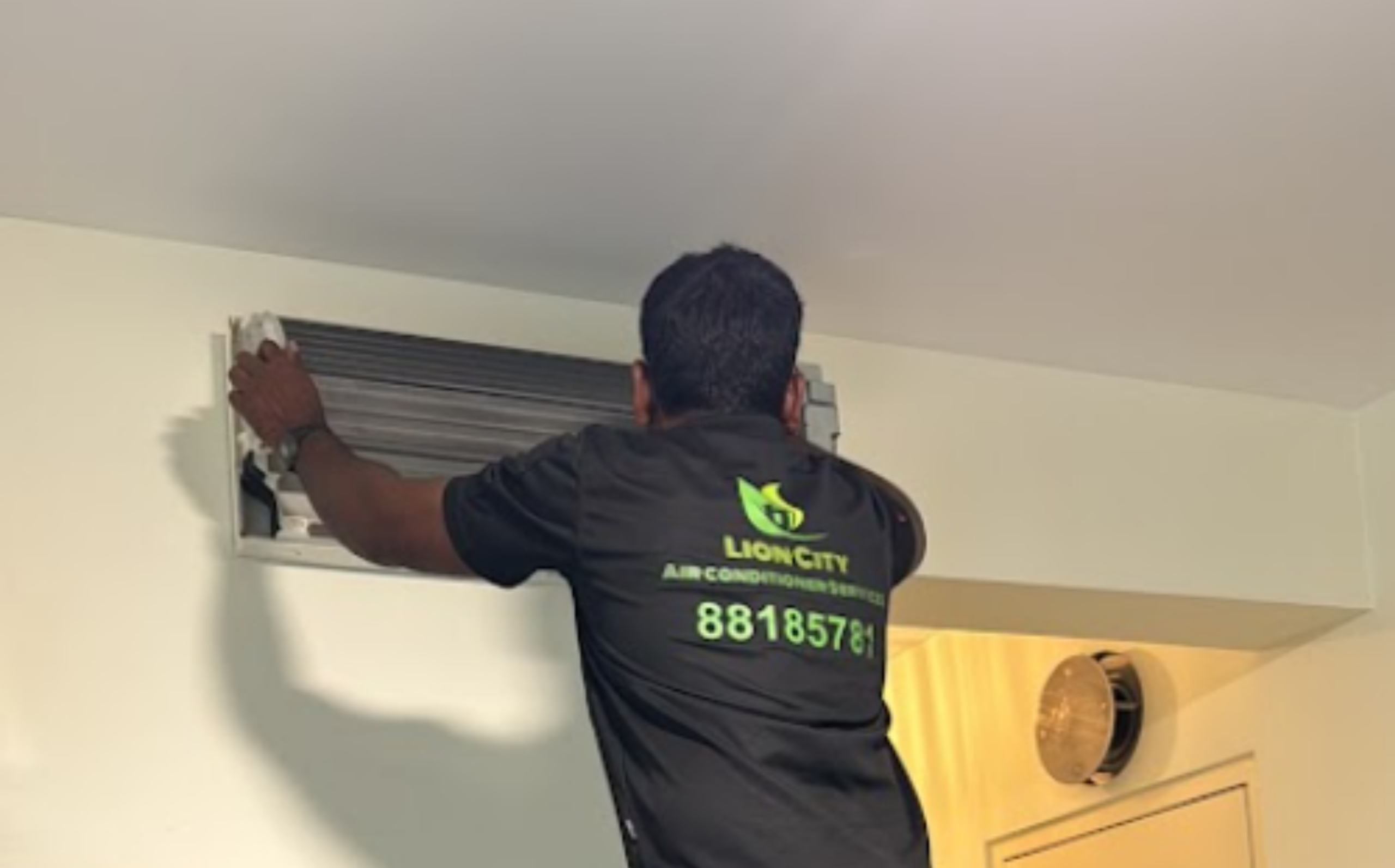
Quarterly: Professional service or chemical cleaning of fan coils, drainage systems, and evaporator coils. This removes accumulated dirt, mold, and debris that filters cannot capture.
Annually: Comprehensive system inspection including refrigerant pressure checks, electrical connection testing, and outdoor unit cleaning. This preventive approach catches developing issues before they become expensive failures.
Frequently Asked Questions
How long does a system 4 aircon typically last in Singapore?
With proper maintenance, quality system 4 aircon units typically provide 10-15 years of reliable service in Singapore’s climate. Japanese brands often exceed this range, while budget options may require replacement closer to the 8-10 year mark. Regular servicing significantly extends operational lifespan regardless of brand.
What is the average electricity cost for running a system 4 aircon?
Running a 5-tick system 4 aircon for 8 hours daily across all units typically costs $150-250 monthly, depending on your tariff rate and specific usage patterns. Modern inverter technology dramatically reduces consumption compared to older non-inverter systems, particularly during extended operation periods.
Can I install different indoor unit capacities within one system 4 setup?
Yes, modern system 4 aircon configurations accommodate varying indoor unit capacities. You might install a larger 18,000 BTU unit for your living room while using 9,000 BTU units for bedrooms. This flexibility allows optimization based on each room’s specific cooling requirements.
How do I know when my system 4 aircon needs replacing rather than repair?
Consider replacement when repair costs exceed 50% of new unit pricing, when energy bills have increased substantially despite servicing, when the system uses outdated R22 refrigerant, or when cooling performance has noticeably declined despite professional maintenance. Units beyond 12-15 years old often benefit from replacement given efficiency improvements in modern systems.
Conclusion
Investing in the right system 4 aircon requires balancing immediate costs against long-term value, considering not just the equipment itself but the quality of installation and commitment to ongoing maintenance. By understanding efficiency ratings, proper sizing, brand strengths, and the critical importance of professional installation, Singapore homeowners can make informed decisions that deliver comfortable, cost-effective cooling for years to come. Whether you’re upgrading an aging system or equipping a new home, taking time to research thoroughly and partner with experienced professionals ensures your investment performs optimally throughout its operational life.
Browse our shop for more details on different aircon brands and models.
If you need extra help do:
📞 Call or WhatsApp: +65 8818 5781
🌐 Visit: https://lioncityaircon.sg