Your air conditioning system is a complex piece of engineering that relies on multiple components working in perfect harmony to keep your home cool and comfortable. Understanding the essential aircon unit parts not only helps you make informed decisions about maintenance and repairs but also enables you to identify potential issues before they become costly problems. In this comprehensive guide, we break down every critical component of your air conditioning system and explain how each part contributes to optimal cooling performance.
The Core Components of Your Air Conditioning System
Every air conditioning unit, whether it’s a split system, window unit, or central air system, contains several fundamental aircon unit parts that work together to extract heat from your indoor space and release it outside. Understanding these components gives you valuable insight into how your system operates and what might go wrong when cooling performance declines.
The Compressor: The Heart of Your Aircon
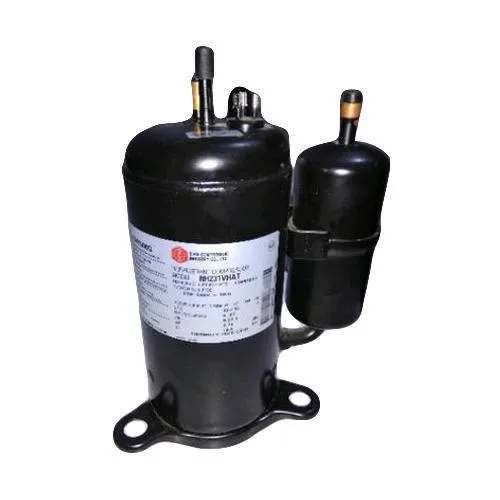
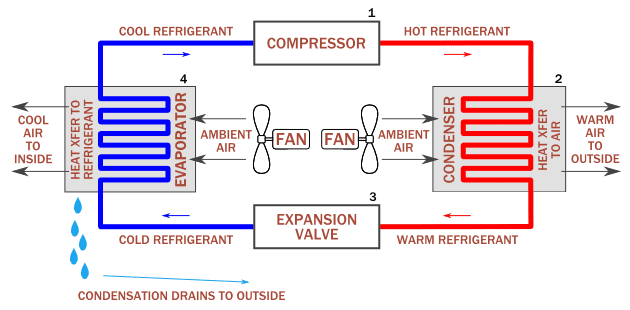
The compressor is arguably the most critical component in your air conditioning system. Located in the outdoor unit, this powerful device compresses the refrigerant gas, raising its temperature and pressure before sending it to the condenser coils. Think of the compressor as the heart of your aircon it keeps the refrigerant circulating throughout the entire system.
Modern inverter compressors can adjust their speed based on cooling demands, offering significant energy savings compared to traditional fixed-speed models. When the compressor fails, your entire system stops cooling, making it one of the most expensive aircon unit parts to replace. Regular maintenance helps extend compressor life and prevents premature failure.
Condenser Coils and the Outdoor Unit
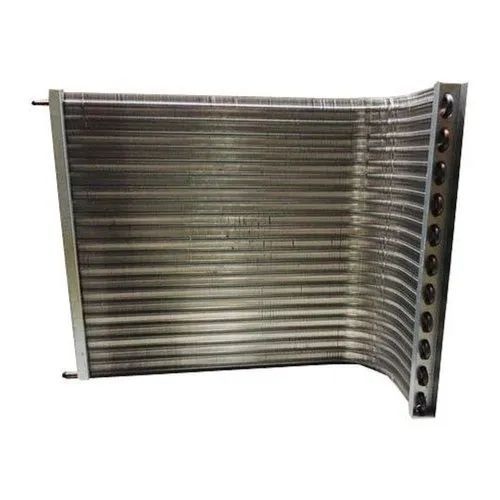
The condenser coils, housed in the outdoor unit, are responsible for releasing the heat absorbed from your indoor space. As hot, high-pressure refrigerant gas flows through these coils, the outdoor fan blows air across them, dissipating heat into the atmosphere. The refrigerant then cools down and transforms into a high-pressure liquid.
These coils require regular cleaning to maintain efficiency. Dirt, debris, and vegetation can obstruct airflow, forcing your system to work harder and consume more energy. Lion City Air Conditioner Services recommends scheduling professional cleaning at least twice yearly to keep your condenser coils in optimal condition.
Evaporator Coils and Indoor Cooling
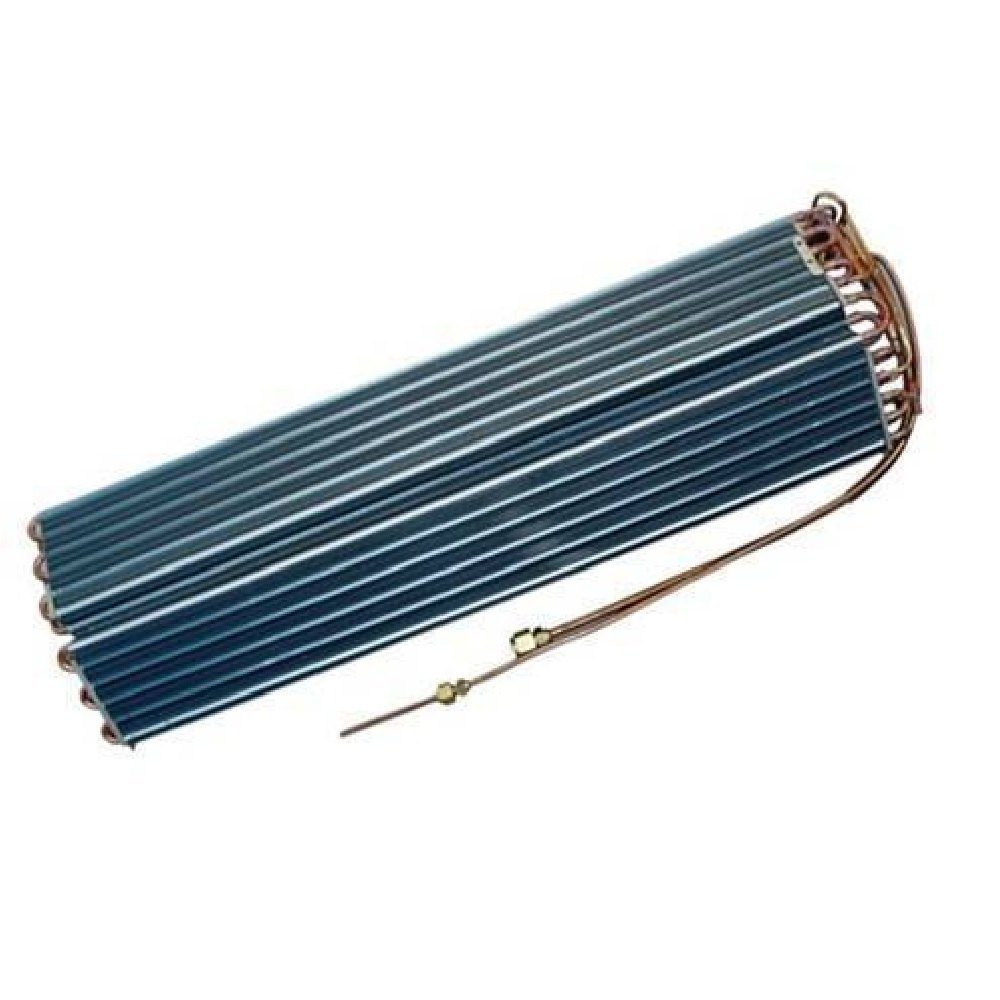
Located inside your home, typically within the indoor unit of a split system, the evaporator coils perform the opposite function of the condenser coils. Cold, low-pressure refrigerant flows through these coils, absorbing heat from the indoor air as a fan blows warm air across them. This process cools the air that gets distributed throughout your space.
Evaporator coils are prone to freezing when airflow is restricted or refrigerant levels are low. Frozen coils significantly reduce cooling efficiency and can damage other aircon unit parts if left unaddressed. Signs of frozen evaporator coils include reduced airflow, water leakage, and ice formation on the refrigerant lines.
Essential Supporting Components
Beyond the core cooling components, your air conditioning system relies on several supporting parts that ensure efficient operation, clean air delivery, and proper system control.
Air Filters: Your First Line of Defense
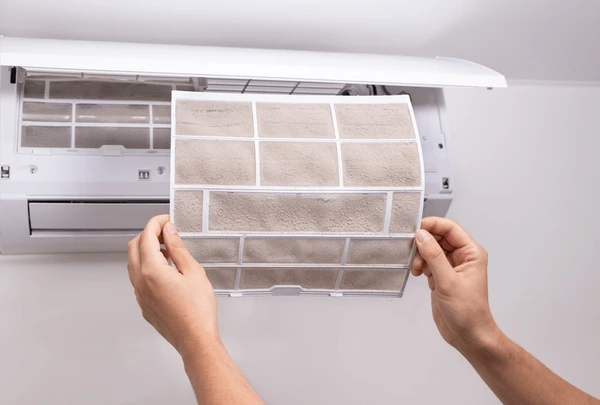
Air filters trap dust, allergens, pet dander, and other airborne particles before they enter your aircon system. Clean filters improve indoor air quality and protect sensitive internal components from contamination. Clogged filters restrict airflow, forcing your system to work harder and potentially leading to frozen evaporator coils or compressor strain.
Most residential aircon units require filter cleaning every two to four weeks, depending on usage and environmental factors. Some advanced systems feature HEPA filters or electrostatic filters that offer superior filtration but may require professional cleaning or replacement.
The Expansion Valve: Regulating Refrigerant Flow
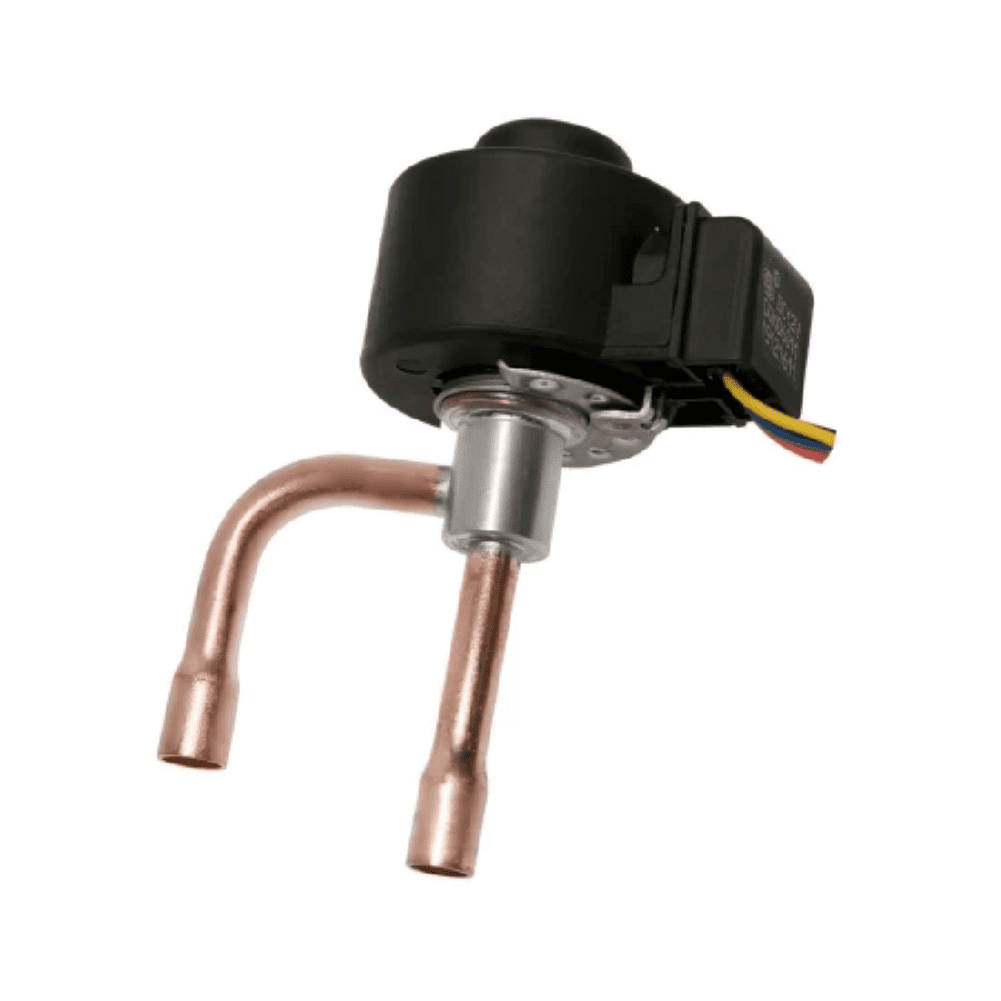
The expansion valve, also known as the metering device, controls the amount of refrigerant flowing into the evaporator coils. This crucial component reduces the pressure and temperature of the liquid refrigerant, preparing it to absorb heat efficiently. Malfunctioning expansion valves can cause inadequate cooling, system cycling issues, or refrigerant flow problems.
There are several types of expansion devices, including thermostatic expansion valves (TXV) and electronic expansion valves (EEV). Modern systems often use electronic valves for more precise refrigerant control and improved energy efficiency.
Fans and Blowers: Circulating Cool Air
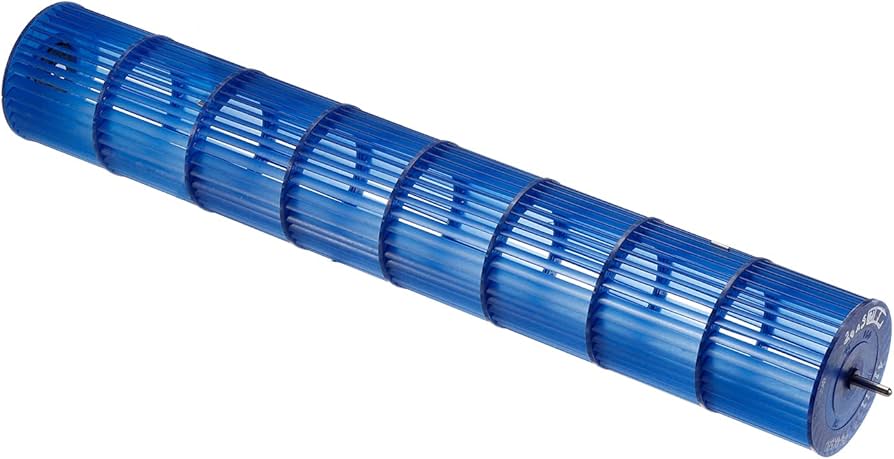
Your aircon system contains multiple fans that serve different purposes. The indoor blower fan circulates cooled air throughout your space, while the outdoor condenser fan expels heat absorbed from your home. These fans rely on motors that can wear out over time, leading to reduced airflow and cooling capacity.
Strange noises like squealing, grinding, or rattling often indicate fan or motor problems. Addressing these issues promptly prevents further damage to other aircon unit parts and maintains comfortable indoor temperatures.
The Refrigerant System: Connecting Everything Together
Refrigerant is the lifeblood of your air conditioning system, flowing through a closed loop of copper tubing that connects all major components. Understanding how refrigerant works helps you appreciate the importance of proper system maintenance and leak prevention.
Refrigerant Lines and Connections


Two main refrigerant lines connect your indoor and outdoor units: the suction line (larger, insulated tube carrying cool gas) and the liquid line (smaller tube carrying warm liquid). These copper tubes must remain sealed to prevent refrigerant leaks, which can significantly impact cooling performance and harm the environment.
Signs of refrigerant leaks include reduced cooling capacity, hissing sounds near refrigerant lines, ice formation on the outdoor unit, and higher-than-normal electricity bills. Only certified technicians should handle refrigerant-related repairs due to environmental regulations and safety concerns.
The Role of Insulation
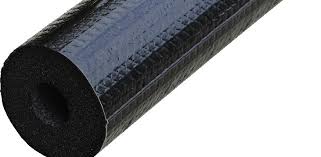
Proper insulation on refrigerant lines prevents energy loss and condensation problems. The foam insulation covering your suction line keeps the cold refrigerant from absorbing heat before reaching the compressor. Damaged or deteriorated insulation reduces system efficiency and can cause moisture problems in your home.
Electrical and Control Components
Modern air conditioning systems feature sophisticated electrical components that manage operation, protect against damage, and enable convenient user control.
Thermostats and Control Boards


The thermostat serves as the command center for your aircon system, monitoring indoor temperature and signaling the system to turn on or off as needed. Modern smart thermostats offer programmable schedules, remote control via smartphone apps, and energy usage monitoring.
The control board, or PCB (printed circuit board), processes signals from the thermostat and coordinates the operation of various aircon unit parts. Faulty control boards can cause erratic system behavior, communication errors between indoor and outdoor units, or complete system failure.
Capacitors and Contactors


Capacitors store electrical energy and provide the initial boost needed to start compressor and fan motors. Start capacitors provide high torque for motor startup, while run capacitors maintain consistent motor operation. Failed capacitors are among the most common causes of aircon breakdowns, particularly during peak cooling season.
Contactors are electrical switches that control power flow to the compressor and condenser fan. These components experience significant wear from constant electrical arcing and typically require replacement every few years.
Drainage System Components
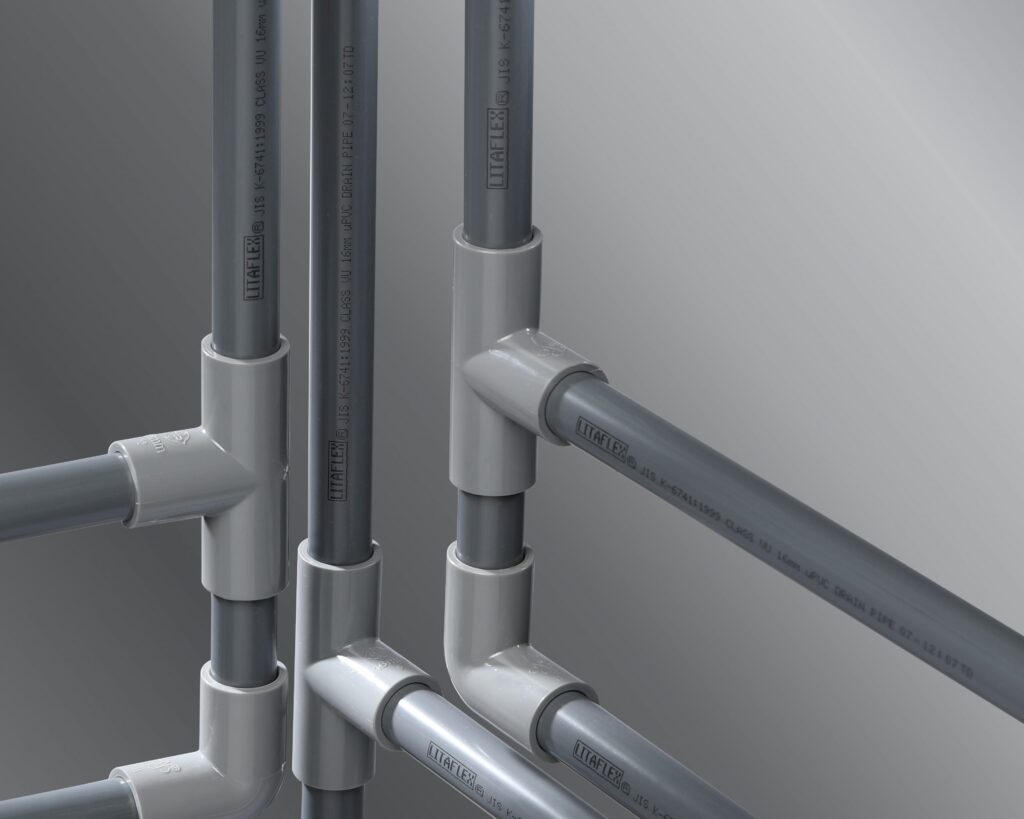
As your aircon removes heat from indoor air, it also extracts moisture through condensation on the evaporator coils. This water must be properly drained to prevent leaks, mold growth, and water damage.
The drain pan collects condensate water beneath the evaporator coils, while the drain line channels this water outside your home or to a designated drainage point. Clogged drain lines are a frequent cause of water leakage and can lead to serious water damage if not addressed promptly. Regular drain line cleaning by professionals like Lion City Air Conditioner Services prevents blockages and ensures proper moisture removal.
Frequently Asked Questions
Which aircon unit parts require the most frequent maintenance?
Air filters require the most frequent attention, needing cleaning or replacement every two to four weeks depending on usage. Drain lines should be cleaned quarterly to prevent blockages, while condenser and evaporator coils benefit from professional cleaning every six months. Regular maintenance of these components prevents most common aircon problems and extends system lifespan.
How do I know if my compressor is failing?
Common signs of compressor failure include strange noises like clicking, rumbling, or grinding from the outdoor unit, the system blowing warm air, frequent circuit breaker trips, and the outdoor unit vibrating excessively during startup. If you notice any of these symptoms, contact a qualified technician immediately to prevent complete system failure.
Can I replace aircon unit parts myself?
While some basic maintenance tasks like filter cleaning can be performed by homeowners, most aircon repairs should be left to certified professionals. Working with refrigerants requires proper licensing, and electrical components pose safety risks. Improper repairs can void warranties, cause further damage, or create safety hazards.
How long do major aircon components typically last?
With proper maintenance, compressors can last 10-15 years, while fan motors typically last 8-12 years. Capacitors and contactors may need replacement every 3-5 years due to electrical wear. Regular professional servicing significantly extends the lifespan of all aircon unit parts and helps identify potential failures before they occur.
Conclusion
Understanding the various aircon unit parts in your cooling system empowers you to recognize potential problems early and make informed decisions about maintenance and repairs. From the compressor and coils to filters and drainage components, each part plays a vital role in keeping your home comfortable during Singapore’s warm climate. Regular professional maintenance ensures all components work efficiently, extends system lifespan, and prevents costly emergency repairs. Whether you need routine servicing or have concerns about specific aircon unit parts, working with experienced technicians ensures your system receives the expert care it deserves.
For more details, do not hesitate to:
📞 Call or WhatsApp: +65 8818 5781
🌐 Visit: https://lioncityaircon.sg