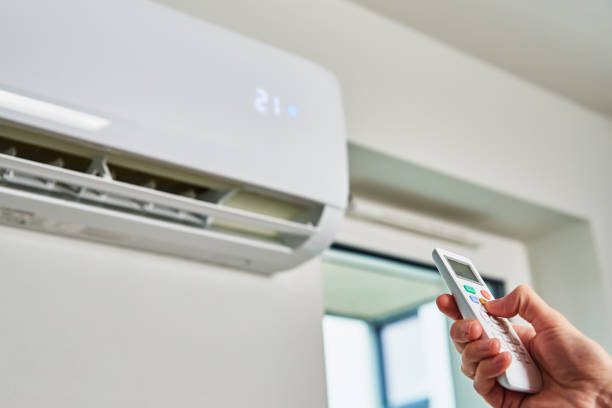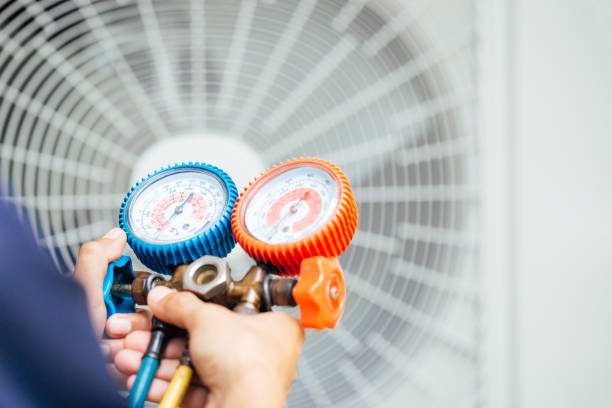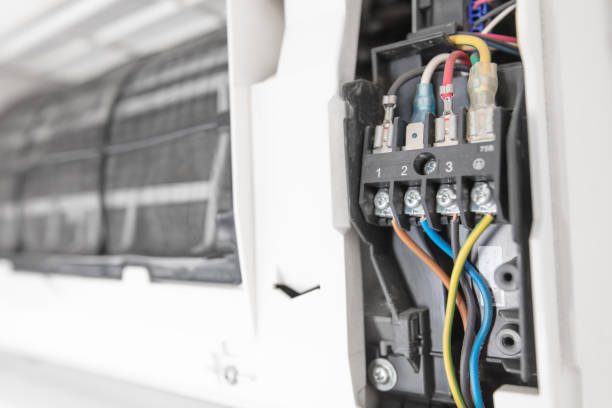
Few things are more frustrating than switching on your air conditioner during Singapore’s sweltering heat, only to discover that it’s blowing nothing but warm or room-temperature air. When your aircon produces no cold air, it signals an underlying issue that demands immediate attention before the problem worsens. In this comprehensive guide, Lion City Air Conditioner Services breaks down the most common causes of this problem and provides practical solutions to restore your cooling comfort.
👉 aircon troubleshooting guide
Understanding Why Your Aircon Is Not Blowing Cold Air
Before diving into solutions, it’s essential to understand the mechanics behind your air conditioning system. Your aircon works by absorbing warm air from your room, passing it over cold evaporator coils filled with refrigerant, and then circulating the cooled air back into your space. When any component in this cycle malfunctions, you end up with an aircon producing no cold air.
The issue can range from simple problems you can fix yourself to complex mechanical failures requiring professional intervention. Singapore’s humid climate and year-round usage patterns mean our air conditioning units work harder than those in temperate regions, making regular maintenance crucial for optimal performance.
Let’s explore the primary culprits behind this common air conditioning problem and what you can do about each one.
Common Causes of Aircon Not Cooling Properly
- Dirty or Clogged Air Filters

The most frequent cause of an aircon blowing no cold air is a dirty air filter. When filters become clogged with dust, dirt, and debris, airflow becomes restricted. This restriction prevents warm air from reaching the evaporator coils efficiently, reducing the system’s cooling capacity significantly.
In Singapore’s dusty urban environment, air filters can become clogged within just four to six weeks of regular use. The solution is straightforward: clean your filters every two weeks and replace them every three months, or according to your manufacturer’s recommendations.
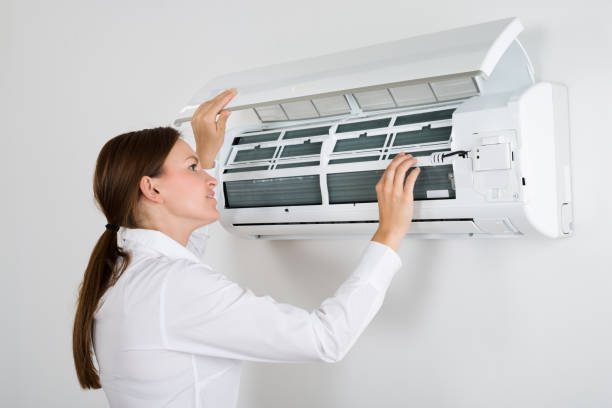
To clean your filter, simply remove it from the indoor unit, wash it gently with lukewarm water, and allow it to dry completely before reinstalling. Never run your aircon with a wet filter, as this can promote mould growth.
- Refrigerant Leak or Low Refrigerant Levels
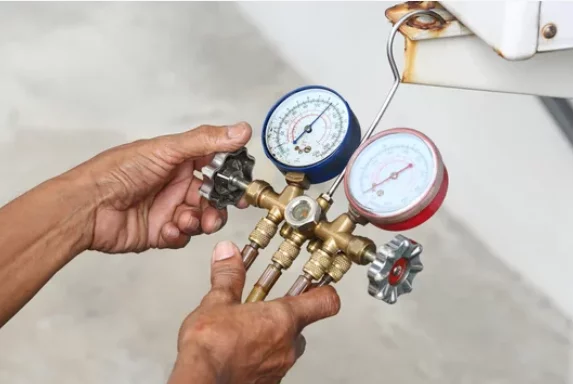
Refrigerant is the lifeblood of your air conditioning system. This chemical compound absorbs heat from indoor air and releases it outside. When refrigerant levels drop due to leaks or improper initial charging, your aircon loses its ability to cool effectively.
Signs of low refrigerant include:
Warm air blowing from vents despite the compressor running
Ice formation on the refrigerant lines or evaporator coils
Hissing or bubbling sounds near the indoor unit
Higher than usual electricity bills without increased usage
Refrigerant issues require professional attention. Attempting to top up refrigerant yourself is not only ineffective but potentially dangerous. A qualified technician from Lion City Air Conditioner Services can locate leaks, repair them, and recharge your system with the correct amount of refrigerant.
- Frozen Evaporator Coils
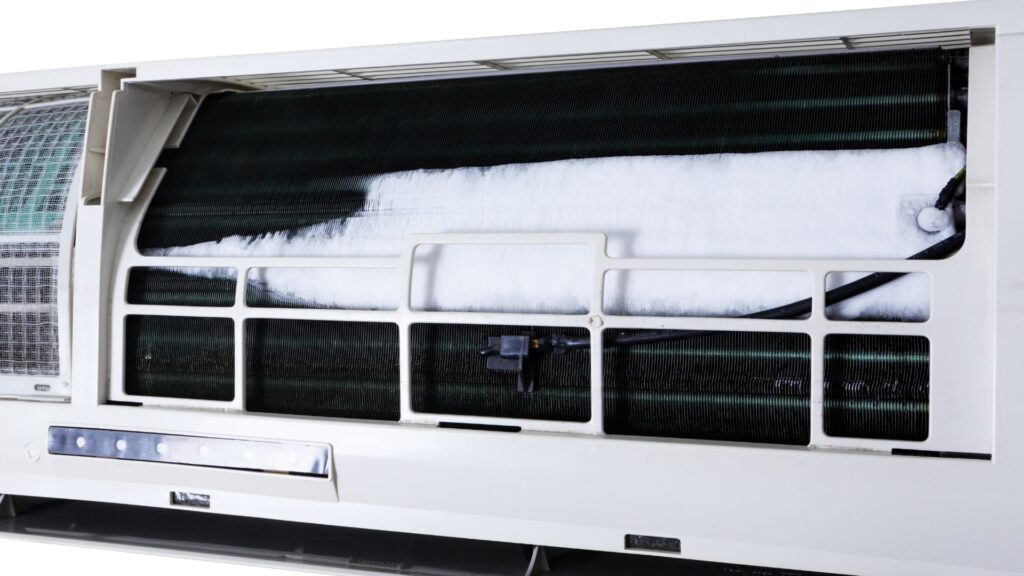
Ironically, ice formation on your evaporator coils prevents your aircon from producing cold air. When coils freeze over, they can no longer absorb heat from the surrounding air effectively. This typically happens due to restricted airflow from dirty filters, low refrigerant levels, or running the aircon in extremely cold ambient temperatures.
If you suspect frozen coils, turn off your aircon immediately and let it defrost for several hours. Running the fan without cooling can speed up this process. Once defrosted, address the underlying cause whether that’s cleaning filters, checking for refrigerant leaks, or adjusting your thermostat settings.
- Faulty Compressor
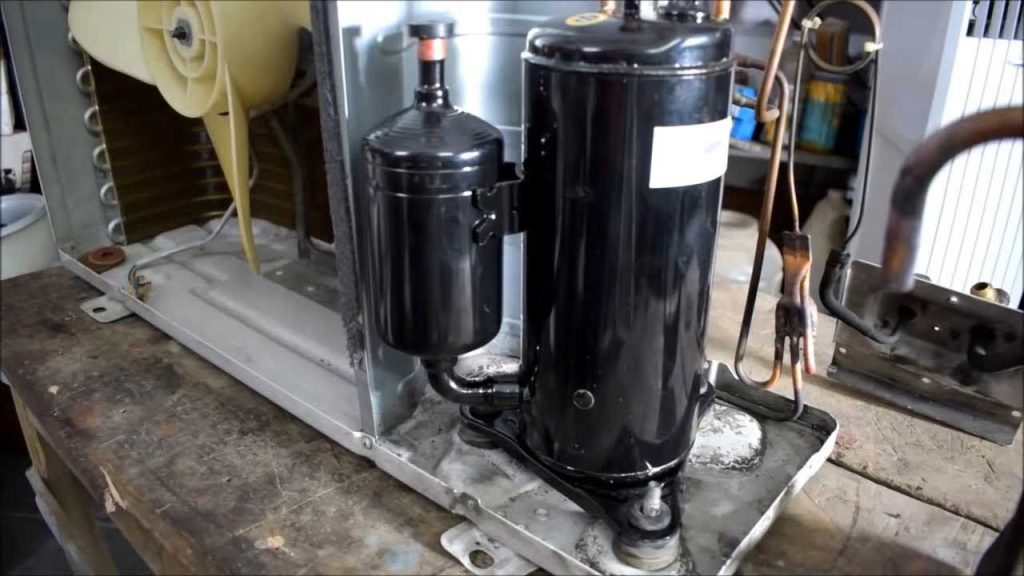
The compressor is the heart of your air conditioning system, responsible for circulating refrigerant between the indoor and outdoor units. When the compressor fails or malfunctions, the entire cooling cycle breaks down, resulting in no cold air production.
Common signs of compressor problems include:
The outdoor unit running but not producing cooling
Unusual clicking, grinding, or rattling noises
The circuit breaker tripping repeatedly
The compressor running continuously without achieving the set temperature
Compressor repairs or replacements are complex and expensive. Prevention through regular servicing is far more cost-effective than dealing with a failed compressor.
- Blocked or Dirty Condenser Coils
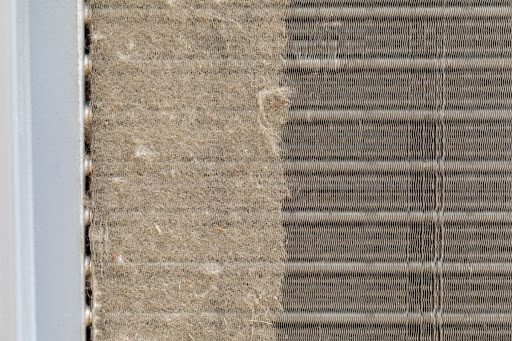
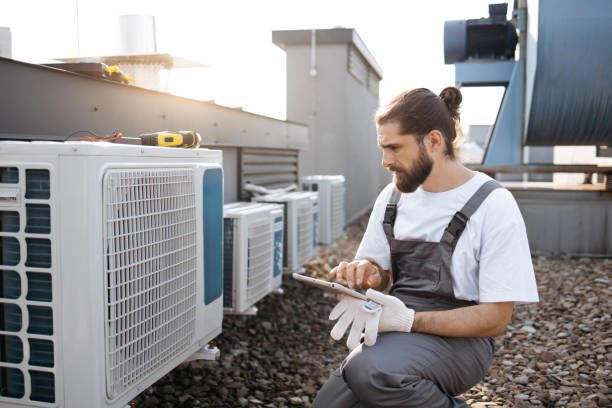
Located in the outdoor unit, condenser coils release the heat absorbed from your indoor space. When these coils become covered in dirt, leaves, or debris, heat dissipation becomes inefficient, and your aircon struggles to cool your room.
Regularly inspect your outdoor unit and ensure there’s adequate clearance around it at least 60 centimetres on all sides. Gently clean the condenser coils with a soft brush or low-pressure water spray every few months.
Troubleshooting Steps You Can Take at Home
Before calling a technician, try these troubleshooting steps to potentially resolve your aircon cooling issues:
Step 1: Check Your Thermostat Settings
Ensure your aircon is set to cooling mode and the temperature is set lower than the current room temperature. Sometimes, accidental setting changes are the simplest explanation.
Step 2: Inspect and Clean the Air Filter
Remove and examine your air filter. If it appears grey or clogged, clean it thoroughly and reinstall it properly.
Step 3: Examine the Outdoor Unit
Check if the outdoor unit is running when the indoor unit is on. Also, look for any visible obstructions, debris accumulation, or ice formation.
Step 4: Reset the System
Turn off your aircon at the power source, wait ten minutes, and turn it back on. This simple reset can sometimes resolve minor electronic glitches.
Step 5: Check for Blocked Vents
Ensure furniture, curtains, or other objects aren’t blocking your aircon’s air intake or output vents.
When to Call a Professional Technician
While some issues can be resolved with basic troubleshooting, certain situations require professional expertise. Contact a qualified technician when:
Your troubleshooting efforts haven’t resolved the problem
You notice refrigerant leaks or ice on components
Strange noises accompany the cooling issues
Your electricity bills have spiked unexpectedly
The outdoor unit isn’t functioning at all
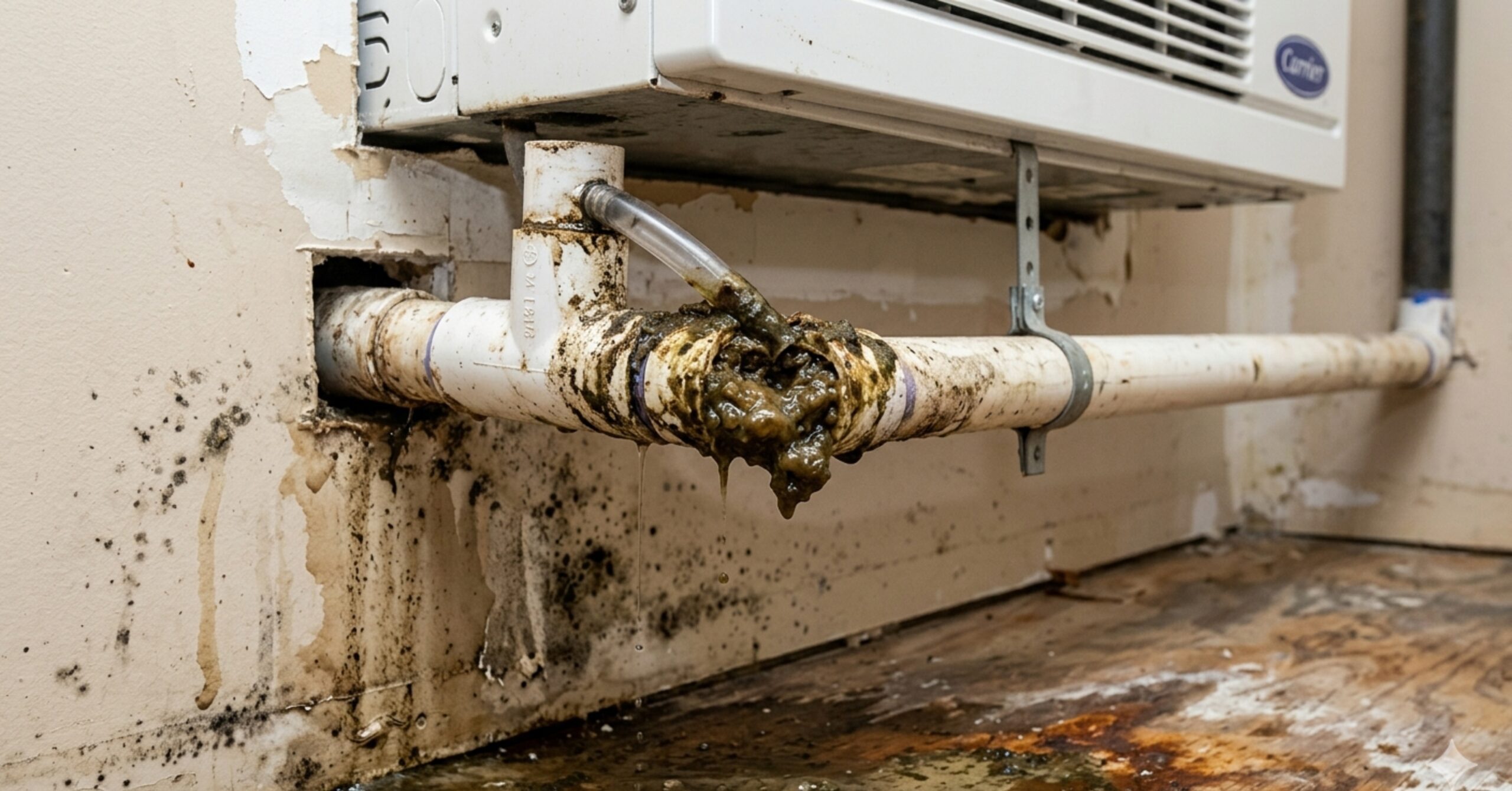
Water is leaking from the indoor unit
Professional technicians have the tools, training, and experience to diagnose problems accurately and implement lasting solutions. Attempting complex repairs yourself can void warranties, cause additional damage, or create safety hazards.
👉 aircon suddenly not working?
Preventing Future Cooling Problems
Prevention is always better than cure when it comes to air conditioning maintenance. Here’s how to keep your aircon running cold and efficient:
Schedule Regular Servicing: Professional servicing every three to four months keeps your system in optimal condition. This includes thorough cleaning, component inspection, and early detection of potential issues.
Maintain Clean Filters: Make filter cleaning a fortnightly habit, especially during periods of heavy use.
Keep the Outdoor Unit Clear: Regularly remove debris and ensure adequate ventilation around the condenser unit.
Use Your Aircon Wisely: Avoid extreme temperature settings and give your system occasional breaks during extended operation.
Address Issues Promptly: Small problems become expensive repairs when ignored. If you notice reduced cooling efficiency, unusual sounds, or any other anomalies, investigate immediately.
Frequently Asked Questions
Why is my aircon running but not cooling the room?
Several factors could cause this, including dirty filters restricting airflow, low refrigerant levels, frozen evaporator coils, or a malfunctioning compressor. Start by checking and cleaning your filters. If the problem persists, you likely need professional diagnosis to identify issues like refrigerant leaks or component failures.
How often should I service my aircon to prevent cooling problems?
In Singapore’s climate, where air conditioners run almost continuously, servicing every three to four months is recommended. Regular maintenance helps identify potential issues before they escalate, ensures efficient operation, and extends your unit’s lifespan significantly.
Can I fix a refrigerant leak myself?
No, refrigerant handling requires specialised equipment, technical expertise, and proper licensing. Attempting to fix refrigerant leaks yourself is dangerous and illegal in many jurisdictions. Always engage a qualified technician to handle refrigerant-related issues safely and correctly.
How do I know if my aircon compressor is failing?
Warning signs include the outdoor unit running without producing cooling, unusual noises like clicking or grinding, frequent circuit breaker trips, and the system struggling to reach the set temperature. If you notice these symptoms, contact a professional immediately, as early intervention can sometimes save the compressor.
Conclusion
An aircon blowing no cold air is a common problem with numerous potential causes, ranging from simple filter blockages to complex compressor failures. By understanding these causes and following proper troubleshooting steps, you can often identify the issue and determine whether it’s a DIY fix or requires professional attention.
Remember, regular maintenance is your best defence against cooling problems. Lion City Air Conditioner Services recommends scheduling professional servicing at least four times yearly to keep your system running efficiently and prevent unexpected breakdowns during Singapore’s hottest days. When your aircon stops cooling properly, don’t suffer in the heat take action promptly to restore your comfort and protect your investment in home cooling.
For more details, do not hesitate to:
📞 Call or WhatsApp: +65 8818 5781
🌐 Visit: https://lioncityaircon.sg