Most people choosing an aircon in Singapore compare BTU, ticks and price. Fewer people compare the thing that actually shapes the next ten years of ownership: whether the system you are buying sits in an open ecosystem or a closed one. It is worth ten minutes of thought before you sign anything, because it is the one decision you cannot easily undo later.
What the two models mean
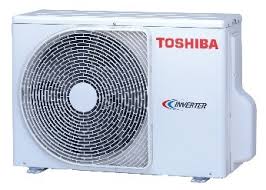
Open ecosystem. The manufacturer makes the equipment and sells it through many installers. Any competent technician can install and service it. Parts are widely available through multiple suppliers. The manufacturer warranty covers the equipment itself, and you are free to choose who maintains it, every single time. Most brands sold in Singapore work this way: Mitsubishi Electric, Daikin, Panasonic, Mitsubishi Heavy, Midea, Toshiba, LG, Samsung and the rest.
Closed ecosystem. The brand controls what happens after the sale. Typically their own technicians install and service the units, servicing is bought from them, parts route through them, and the extended warranty is conditional on staying inside their programme. The pitch is simplicity and accountability with one company, and for some owners that genuinely suits.
The questions that actually matter
Neither model is automatically better. What matters is knowing which one you are buying, and asking these before you commit.
1. What exactly keeps the warranty valid?
Ask for it in writing. If the extended warranty depends on continuous servicing through one provider, understand what happens if you skip a service, move house, or simply want someone else to do the work. A warranty that survives your choices is worth more than a longer warranty that does not.
2. Price the servicing, not just the unit
This is where people get caught. A system that looks $300 cheaper up front can cost more over eight years if the tied servicing runs above market. Multiply the annual servicing cost by the warranty period and add it to the purchase price. Compare that total, not the sticker.
3. What is your exit?
Ask plainly: if I am unhappy with the service in year three, what are my options? In an open ecosystem the answer is easy, you call someone else next quarter. In a closed one, find out the real answer before you need it.
4. Who can get parts?
When a board or compressor fails in year six, part availability decides whether you wait two days or two weeks. Widely distributed brands are easier to keep running, which is exactly why they are easier to service.
5. How is service quality kept honest?
Open ecosystems have a blunt but effective mechanism: you can leave. That single fact keeps servicers sharp. If leaving is expensive, ask what else guarantees the quality.
Our honest position
We are an independent installer, so we obviously benefit from open ecosystems, and you should weigh our view knowing that. But here is the version we would give a friend: if you value one company being accountable for everything and you are comfortable with the terms, a closed system can work fine. If you value being able to change your mind, choose the open one. Most Singapore homeowners we meet, especially those who have owned a system for six or seven years, end up valuing the ability to change their mind.
Whatever you own, it can be serviced
A split system is a split system. The refrigerant cycle, the coil, the drainage, the boards, none of it becomes unserviceable because of a badge. Our technicians work on every brand and model sold here, including systems installed by someone else entirely. No contract required, no lock in, published rates for everyone: aircon servicing in Singapore from $21.80 per unit, chemical wash at $87.20, and honest advice on whether you need either.
Thinking about a new system, or stuck with one you are not happy servicing? WhatsApp us at +65 8818 5781. We will tell you what we would do in your position, even when the answer is not us.