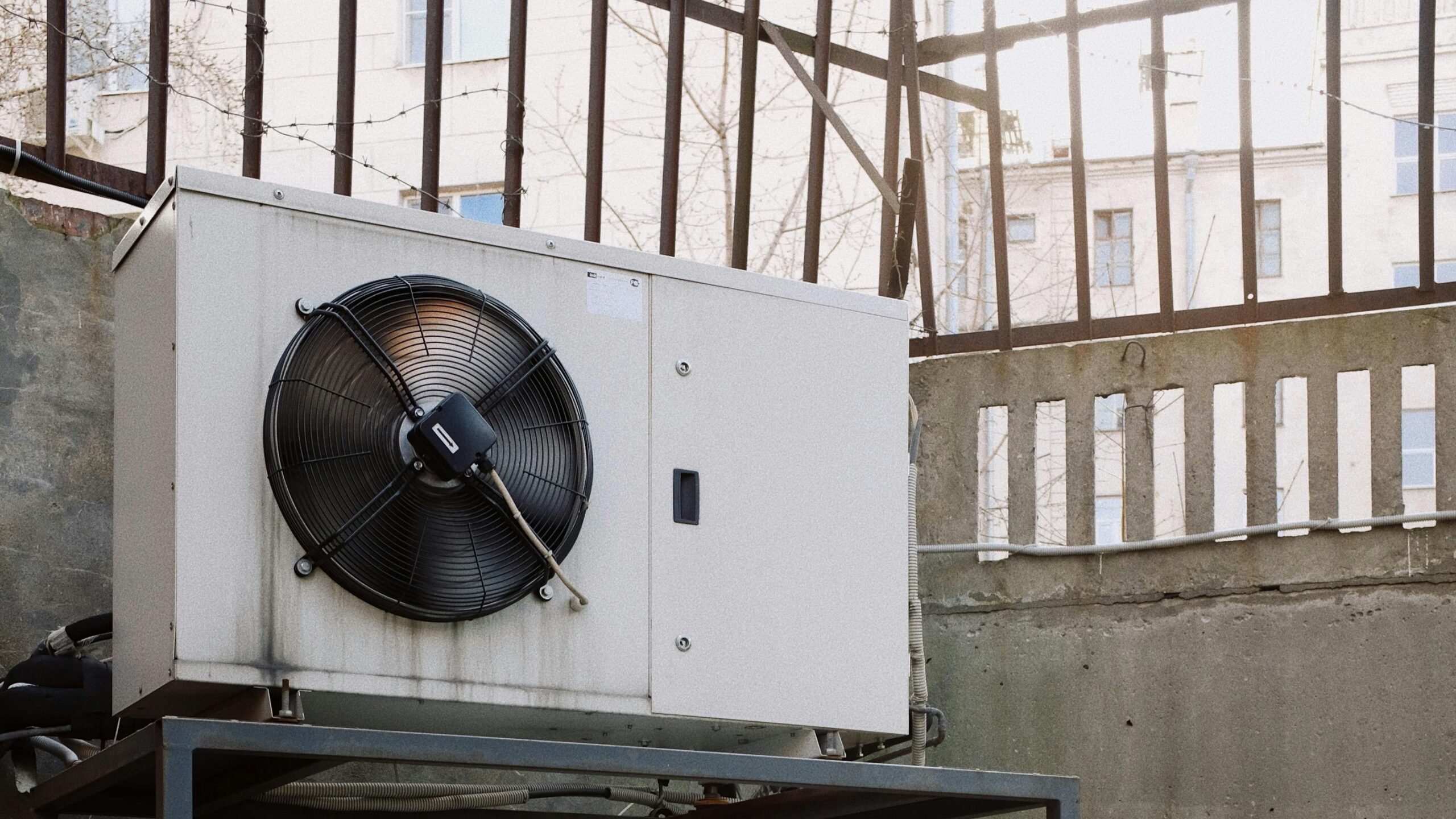
Your aircon isn’t working right and you suspect the compressor. Maybe cooling is weak, maybe there’s a strange noise, maybe the electricity bill spiked, maybe you got an error code mentioning compressor failure. You want to know: is the compressor actually the problem, or could it be something else cheaper to fix?
This guide answers that. At Lion City Aircon, we’ve serviced over 22,000 aircon units across Singapore since 2016, and “I think my compressor is broken” is one of the most common diagnostic calls we get. About 60% of the time, the customer is right. The other 40%, the symptoms look like compressor failure but the actual cause is something else (a $130 capacitor, a $90 drain cleaning, a $180 gas top-up). Knowing the difference saves you money.
Jump to your section:
- The 7 Real Signs of a Faulty Compressor
- When It Looks Like Compressor but Isn’t
- How to Diagnose at Home Before Calling
- What Technicians Test During Diagnosis
- Repair vs Replace Decision Framework
- Compressor Replacement Cost in Singapore
- Urgency: How Long Can You Wait?
- Frequently Asked Questions
The 7 Real Signs of a Faulty Aircon Compressor
Real compressor problems usually present with more than one symptom. A single symptom on its own often points to a different component. Watch for combinations.
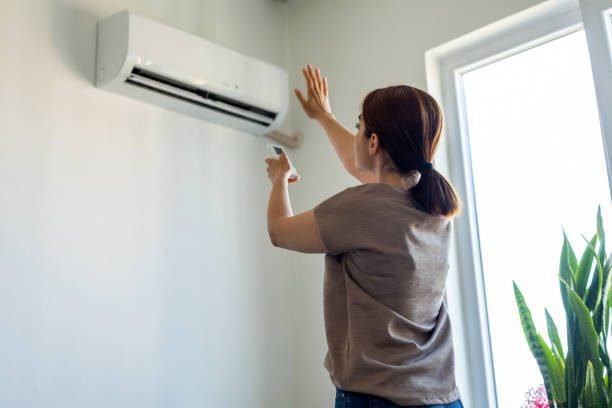
1. Aircon Blows Air but Not Cold Air
The indoor unit’s fan still works, you feel air moving, but the air isn’t cold (or only slightly cool). This is the most common compressor failure symptom we attend.
The mechanism: a working compressor circulates refrigerant through the system, which is what makes cooling happen. If the compressor isn’t running, refrigerant doesn’t move, and the evaporator coil never gets cold. The indoor fan still works because it’s a separate component, so you still feel air.
What to check before assuming compressor failure:
- Is the temperature setting actually low enough? (Sometimes the setpoint has been changed accidentally.)
- Is the unit in fan-only or dry mode instead of cool mode?
- Are the air filters severely clogged? (Blocks airflow and reduces apparent cooling.)
- Has refrigerant level dropped from a slow leak? (Symptoms similar to compressor failure.)
If basic checks rule out simpler causes and the unit is genuinely not cooling, compressor failure becomes likely.
2. Outdoor Unit Doesn’t Start at All
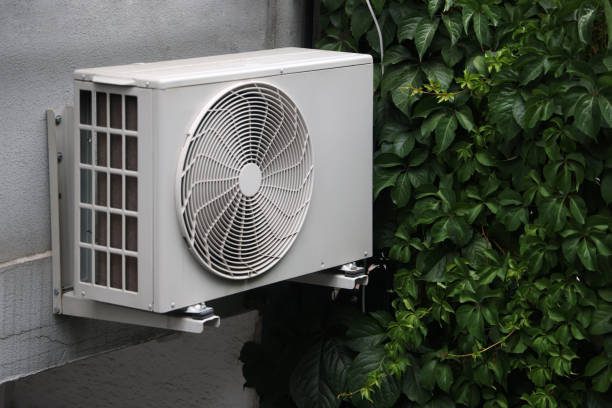
You switch the aircon on, the indoor unit lights up and the fan starts, but you can’t hear the outdoor unit running. Walk outside, place your hand near the outdoor unit. Is there:
- Any vibration? (Compressor is running, just quietly)
- Air blowing from the side vents? (Outdoor fan is running)
- Total silence and stillness? (Outdoor unit is dead)
If the outdoor unit is completely silent for 5+ minutes after switching on, something is preventing operation. Could be the compressor, but could also be:
- Tripped outdoor isolator switch
- Failed capacitor (so the compressor tries to start but can’t)
- Failed contactor relay (compressor never gets power signal)
- Failed indoor PCB (signal never sent to outdoor)
- Damaged communication cable between indoor and outdoor
An experienced technician can identify which of these is the problem in 10-15 minutes with a multimeter and visual inspection.
3. Compressor Buzzes But Doesn’t Start (Hum and Click)
You hear the outdoor unit attempting to start: a buzzing or humming sound for 5 to 30 seconds, then a click, then silence. A few minutes later, it tries again with the same result.
This is a classic compressor-related failure pattern. The compressor’s electrical components are trying to start the motor but can’t get it spinning. Most common causes, in order:
- Failed start capacitor (cheap fix, $130). About 60% of these calls.
- Failed run capacitor (cheap fix, $130). About 20%.
- Compressor mechanically seized (expensive fix, $750+). About 15%.
- Damaged compressor windings (compressor replacement, $750+). About 5%.
The good news: 80% of buzz-but-no-start cases are capacitor failures, not compressor failures. Get a technician to test the capacitor before assuming the worst.
4. Unusual Noises from the Outdoor Unit
Specific noise patterns suggest compressor problems versus other components. See our noisy compressor diagnostic guide for full sound-by-sound diagnosis, but in summary:
- Grinding or screeching: bearing failure inside compressor (serious)
- Banging or clanking: internal mechanical damage (very serious)
- Loud humming louder than normal: compressor under stress
- Hissing or bubbling: refrigerant leak (related but not compressor directly)
- Rattling: usually loose mounts, not compressor itself
5. Frequent Circuit Breaker Trips
Your aircon’s circuit breaker trips repeatedly. You reset it, the aircon works for a while, then trips again.
This often indicates compressor problems because compressors are the largest electrical load in your aircon system. When something starts drawing excessive current (worn bearings, partial winding failure, refrigerant overcharge forcing the compressor to work harder), the breaker trips to protect the wiring.
However, other things can also cause repeated tripping:
- Failed capacitor causing high startup current
- Wiring fault (loose connection generating heat)
- Failed contactor sticking on
- Under-sized circuit breaker for the aircon’s actual load
- Outdoor unit ground fault
See our aircon tripping breaker guide for the full diagnostic walkthrough.
6. Excessive Vibration from the Outdoor Unit
The outdoor unit always vibrates slightly during operation (compressors produce vibration as a side effect of their pumping action). But excessive vibration, especially if it’s new behavior, can indicate:
- Worn compressor internal mounts (the compressor sits inside the cabinet on rubber dampeners; these degrade over time)
- Compressor bearings starting to fail
- Refrigerant overcharge (compressor working harder than designed)
- External mounting bracket loose or corroded (not a compressor issue but presents as compressor symptom)
If you can place your hand on the outdoor unit cabinet and feel it shaking violently, that’s worth attention. If it’s a barely-perceptible hum, that’s probably normal.
7. Sudden Spike in Electricity Bills
Your electricity bill has gone up by 20-50% with no change in your usage habits. The aircon is the most likely culprit because it’s typically the largest single electrical load in a Singapore home.
A failing compressor often draws more current than a healthy one:
- Worn bearings create mechanical drag
- Partial winding damage causes inefficient operation
- Refrigerant issues force longer running times
- Damaged valves reduce per-cycle efficiency
Signs that point to the compressor specifically:
- The unit runs longer than it used to (taking more hours to cool the same room)
- The outdoor unit feels hotter than normal during operation
- Combined with one or more of the other six signs above
Electricity spike alone could be from many things. Combined with other compressor signs, it strengthens the diagnosis.
When It Looks Like Compressor but Actually Isn’t
About 40% of “I think my compressor is broken” calls we get turn out to be other issues. Common culprits that mimic compressor failure:
Failed Capacitor
Symptoms: buzzing on startup, fails to cool, possibly trips breaker. Cost to fix: $130. Time to fix: 30 minutes. This is by far the most common impostor for compressor failure.
Refrigerant Leak
Symptoms: weak cooling, longer running times, possibly higher bills, ice formation on indoor coil or outdoor pipes. Cost to fix: $180 to $400 (depending on leak location and severity). Time: 1 to 3 hours.
Dirty Condenser Coil
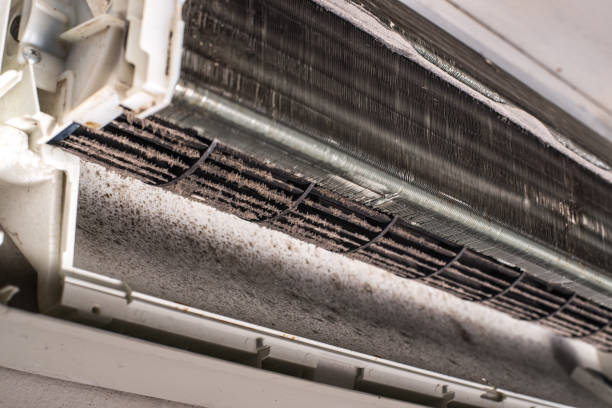
Symptoms: weak cooling, outdoor unit hotter than usual, possibly higher bills, occasional protection trips. Cost to fix: chemical wash from $90. Time: 1 to 2 hours.
Failed Contactor or Relay
Symptoms: outdoor unit doesn’t start, possibly clicking sounds when trying to start. Cost to fix: $130 to $180. Time: 30 to 60 minutes.
Blocked Drain Pipe (Indirect)
Doesn’t directly mimic compressor failure but causes brand-specific error codes (Daikin A3, Mitsubishi P4, Toshiba P10, Haier E08) that customers sometimes interpret as compressor problems. Cost to fix: $90. Time: 30 minutes.
Failed Indoor PCB
Symptoms: outdoor unit doesn’t start, indoor display may show error codes, signals not being sent properly. Cost to fix: $250 to $450. Time: 1 to 2 hours.
Tripped Outdoor Isolator
The absolute simplest mimic. The outdoor unit isolator switch (a small switch usually mounted on or near the outdoor unit) has tripped or been switched off. Cost to fix: zero, just flip it back on. We’ve attended several calls where this was the entire problem.
How to Diagnose at Home Before Calling
Before booking a service, run through these 5 checks. Half the time you’ll either find the issue is simpler than you thought, or you’ll be able to give us much better information to bring the right parts.
Check 1: Outdoor Isolator
Find the isolator switch for your outdoor unit (usually a small box with a switch, mounted on the outdoor wall near the unit). Make sure it’s switched ON. If it has tripped, switch it back. If it trips again within minutes, there’s a real fault. If it stays on, problem might be solved.
Check 2: Indoor and Outdoor Unit Power
Turn the aircon on. Within 1 minute, check:
- Indoor unit: LED lights on? Fan running?
- Outdoor unit: any noise, vibration, or air flow?
If indoor works but outdoor doesn’t, it’s an outdoor-side problem (compressor, capacitor, contactor, PCB).
If both are silent, it might be a power supply issue (breaker, fuse, isolator).
If both run but the air isn’t cold, it might be refrigerant, expansion valve, or compressor.
Check 3: Filter Condition
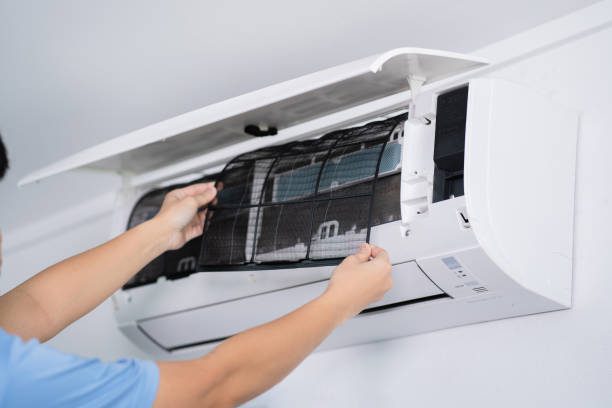
Open the indoor unit’s front cover and remove the filters. If they’re heavily clogged with dust, the aircon may seem to “not cool” simply because airflow is severely restricted. Clean and reinstall. Run the aircon for 30 minutes. If cooling restored, you’ve solved it for $0.
Check 4: Outdoor Unit Condition
Visual inspection of the outdoor unit:
- Is the casing heavily caked with dust or grime?
- Are there leaves or debris in the fan?
- Is anything visibly leaking (oily marks, refrigerant residue)?
- Is the unit mounted securely or moving/vibrating excessively?
A dirty outdoor unit is a chemical wash, not a compressor replacement.
Check 5: Error Codes
Check if your remote or indoor unit displays any error codes. Each brand has its own system. We have full guides for the major brands:
- Daikin error codes
- Mitsubishi error codes
- Toshiba error codes
- Panasonic error codes
- Hitachi error codes
- LG error codes
- Samsung error codes
If you see an error code, photograph it and send to us via WhatsApp. The code often pinpoints the issue directly, saving diagnostic time.
What Technicians Actually Test During Diagnosis
When we come to diagnose a suspected compressor problem, here’s what we do, in order:
1. Visual Inspection (5 minutes)
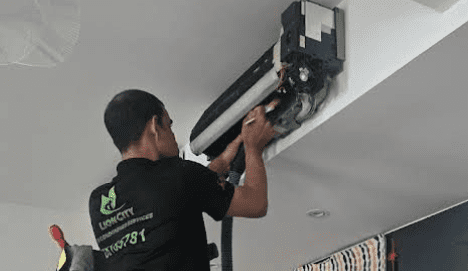
Outdoor unit condition, signs of leaks, mounting integrity, visible damage to wiring, obvious debris. Often reveals issues before any testing.
2. Multimeter Tests on Electrical Components (10-15 minutes)
Test the capacitor, contactor, relay, and compressor windings for resistance and continuity. This identifies failed electrical components without needing to open the compressor itself.
3. Pressure Gauge Testing (15-20 minutes)
Connect refrigerant gauges to test high and low side pressures. Reveals refrigerant shortage, overcharge, blocked expansion valve, or compressor not building proper pressure.
4. Amperage Testing (5 minutes)
Measure the current draw of the compressor while running (if it’s running). Compares actual draw to rated draw. Excessive current = compressor working too hard.
5. Temperature Differential Testing (10 minutes)
Measure temperature at indoor air intake, indoor air discharge, outdoor air intake, outdoor air discharge. The differentials tell us if heat transfer is happening properly throughout the system.
Total diagnostic time: 30 to 45 minutes. Result: definitive answer on whether the compressor is the actual problem, and what the repair will cost.
Repair vs Replace Decision Framework
If the compressor is genuinely the problem, you have a choice: replace the compressor only, or replace the entire outdoor unit, or replace the whole system. Honest framework:
Replace Compressor Only (S$750 – S$1,500)
Makes sense when:
- The unit is less than 8 years old
- The rest of the outdoor unit (fans, PCB, casing) is in good condition
- The indoor unit is working fine
- The brand/model still has spare compressor parts widely available
- You’re attached to your current aircon (specific design, just renovated around it)
Replace Outdoor Unit Only (S$1,200 – S$2,200)
Makes sense when:
- Unit is 8-12 years old
- Multiple outdoor components are starting to fail
- Indoor unit is in good condition
- Replacement outdoor unit is compatible with your existing indoor
Replace Entire System (S$1,800 – S$3,500)
Makes sense when:
- Unit is over 10 years old
- Multiple system components have issues
- You want to upgrade to higher efficiency (inverter from non-inverter)
- You want a different brand or design
- Cumulative repair costs over the last 2 years exceed S$500
Our honest advice: get a quote for all three options and look at cost per year of useful life remaining. A new system at $3,000 lasting 12 years (S$250/year) often beats a $1,200 compressor swap on a 10-year-old unit that might last 3 more years (S$400/year).
Compressor Replacement Cost in Singapore
Lion City Aircon pricing across Singapore (HDB, condo, landed, same rate):
- Diagnostic visit: $35 to $50 per unit
- Capacitor replacement (most common “compressor” fix): from $130
- Contactor or relay replacement: from $130
- Fan motor replacement: $200 to $350
- Gas leak repair + recharge: from $180
- Chemical wash (for severe dirty unit): from $90 per unit
- Indoor PCB replacement: $250 to $450
- Outdoor PCB replacement: $300 to $600
- Compressor replacement: from $750 (small System 1) to $1,500+ (larger systems)
- Full outdoor unit replacement: from $1,200
- Full system replacement (System 2 to System 4): S$1,800 to S$3,500
If you’re on our annual maintenance contract, diagnostic visits are free and most capacitor, contactor, and small electrical fixes are included between scheduled visits.
How Long Can You Wait Before Acting?
Switch Off Immediately
- Banging or clanking from compressor
- Burning smell
- Smoke or sparks anywhere on the unit
- Circuit breaker trips immediately every time you switch on
- Outdoor unit visibly shaking violently
Book Service Within 1-2 Days
- Aircon not cooling at all
- Compressor buzzes but won’t start
- Grinding or screeching noises
- Repeated breaker trips with intervals
- Strong refrigerant smell (sweet/chemical odor)
Book Service Within a Week
- Cooling is weak but still working
- Electricity bills noticeably higher
- Unusual but mild noises that aren’t worsening
- Vibration slightly increased
Address at Next Routine Service
- Slight reduction in cooling performance
- Unit a bit louder than you remember
- Slight increase in time to cool the room
Frequently Asked Questions
Can a faulty compressor be repaired or only replaced?
Residential aircon compressors are hermetically sealed at the factory. They can’t be opened and repaired in the field. If the compressor itself has failed (bearings, valves, windings), it must be replaced as a complete unit. However, what looks like compressor failure is often a peripheral component (capacitor, contactor) that can be repaired cheaply.
How long does compressor replacement take?
Typically 2 to 3 hours of labor: recover existing refrigerant, cut out old compressor, weld in new one, evacuate system, recharge with fresh refrigerant, test operation. We schedule a 4-hour window to allow for unexpected complications.
Will I need to replace refrigerant when replacing the compressor?
Yes. Refrigerant must be recovered before cutting the compressor out, then recharged after the new compressor is installed. The cost of refrigerant (S$100 to S$300 depending on system size) is typically included in the compressor replacement quote.
Should I just buy a new aircon instead?
Depends on age and condition. We always quote both options (compressor replacement vs full system replacement) so you can compare. As a rule of thumb: aircon under 8 years old, repair makes sense. Aircon over 10 years old, full replacement usually makes more financial sense. The 8-10 year range is a judgment call.
How can I tell if it’s the compressor or the capacitor?
You typically can’t, with just observation. Both can cause “won’t start” or “buzzes and stops” symptoms. A technician needs to test the capacitor with a multimeter (takes 5 minutes) to distinguish. This is why diagnostic visits exist: a $35 to $50 diagnostic saves you from guessing.
Can a compressor fail suddenly without warning?
Sometimes yes, but most of the time there are warning signs in the weeks or months before total failure: increased noise, reduced cooling, higher bills, occasional protection trips. Regular servicing catches these signs early. Sudden total failure without prior symptoms is rare and usually involves electrical events (lightning, voltage spike, internal short).
Does brand matter for compressor failure rates?
Yes, somewhat. Across thousands of jobs we see slightly lower failure rates from Mitsubishi Electric and Daikin compressors, slightly higher from older Toshiba and LG models. But maintenance history matters more than brand. A well-maintained 10-year-old Toshiba can outlast a poorly-maintained 6-year-old Mitsubishi.
What’s the warranty on a replacement compressor?
For compressors we install, parts warranty is typically 1 year (covering manufacturing defects). Labor warranty is 90 days. Some manufacturers offer longer compressor-only warranties if you buy through their authorized service channel, but the labor is still warrantied separately.
Why does a compressor cost so much?
The compressor is precision-machined mechanical hardware combined with an electric motor, sealed in a pressure vessel, designed to operate continuously for a decade under harsh conditions. It’s the most expensive single component in your aircon for the same reason a car’s engine is the most expensive component: it’s where the actual work happens.
Is it dangerous to keep running a faulty compressor?
Depends on the fault. A noisy bearing isn’t dangerous; it’s just degrading. An overheating compressor can cause electrical fires (rare but possible). A compressor drawing excessive current can damage your home’s electrical wiring. When in doubt, switch off and call us. The cost of one extra service visit is much less than the cost of preventable damage.
Get Honest Compressor Diagnosis in Singapore
About 40% of customers who call us thinking they need a new compressor end up with a much smaller repair bill. The diagnostic visit pays for itself if it reveals a capacitor or contactor issue instead of a compressor failure.
WhatsApp +65 8818 5781 with a description of your symptoms and we’ll give you an honest assessment before sending a team. 22,000+ jobs done since 2016, 5.0★ across 1,500+ Google reviews, BizSafe Level 3 certified. Same pricing for HDB, condo, and landed properties.
No scare tactics. No upselling. If your fix is a $130 capacitor, we’ll tell you that and price it accordingly. If it’s a $750+ compressor replacement, we’ll show you the test results that confirm the diagnosis and give you honest repair-vs-replace numbers before doing anything.
WhatsApp Lion City Aircon · Call +65 8818 5781 · Book online
Related reading: Complete aircon compressor guide · Why is my compressor noisy · How does aircon compressor work · Why your compressor is overheating · Capacitor or compressor diagnosis · Aircon tripping breaker guide