You want to know what your aircon is actually costing you per month, why your bill might have jumped suddenly, and what you can realistically do to bring it down. This guide answers all three with Singapore-specific numbers (real SP Group tariff rates, real BTU consumption figures, real example calculations). A unit kept efficient with regular aircon servicing Singapore draws noticeably less power for the same cooling. A clean fan coil unit moves air efficiently, which is half the battle on your electricity bill.
At Lion City Aircon, we’ve serviced over 25,000 aircon units across Singapore since 2016. We see real electricity bills from real customers every day. We know what works to lower costs, what’s marketing fluff, and when a sudden bill spike points to a problem with the unit itself.
Jump to your section:
- Understanding kWh and Aircon Energy Usage
- How Much Electricity Different Aircon Sizes Use
- How to Calculate Your Aircon Cost in Singapore
- Why Your Aircon Bill Is Suddenly Higher
- 8 Proven Ways to Cut Your Aircon Electricity Bill
- Inverter vs Non-Inverter Energy Savings
- Best Temperature Setting for Singapore
- Frequently Asked Questions
Understanding kWh and Aircon Energy Usage
Your electricity bill is calculated in kilowatt-hours (kWh). One kWh equals one kilowatt of power used for one hour. SP Group charges you based on how many kWh your home uses across a billing month.
For aircons specifically, energy use depends on four factors:
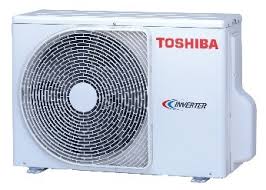
- BTU rating (cooling capacity): Bigger units consume more electricity per hour. A System 4 outdoor unit uses more than a System 2.
- Operating hours: Every hour adds to your bill. Running aircon overnight versus only in the evening makes a meaningful difference.
- Efficiency rating (NEA ticks): A 5-tick rated aircon uses 30 to 40% less electricity than a 2-tick model for the same cooling output.
- Operating conditions: Dirty filters, dusty outdoor units, low refrigerant, and oversized aircons for the room all force the compressor to work harder, increasing energy use without you doing anything different.
The kWh consumption number is the foundation. Once you know what your aircon uses per hour, calculating your monthly cost is straightforward.
How Much Electricity Different Aircon Sizes Use
These are realistic Singapore figures for inverter aircons in normal operating conditions. Non-inverter aircons typically consume 20 to 30% more than the figures below.
Single Indoor Units
| BTU Rating | Typical Use Case | kWh per Hour (Avg) | kWh per 8 Hours |
|---|---|---|---|
| 9,000 BTU | Small bedroom (HDB 3-room) | 0.7 to 0.9 | 5.6 to 7.2 |
| 12,000 BTU | Master bedroom or small living room | 1.0 to 1.3 | 8.0 to 10.4 |
| 18,000 BTU | Living room or large bedroom | 1.4 to 1.8 | 11.2 to 14.4 |
| 24,000 BTU | Large living room or open concept | 1.8 to 2.4 | 14.4 to 19.2 |
Multi-Split System Outdoor Units
For most Singapore homes (HDB or condo), the outdoor unit handles multiple indoor units. When all indoor units run simultaneously, the outdoor consumption is roughly:
| System Type | Typical Total kWh per Hour | Monthly Cost (8hrs/day) |
|---|---|---|
| System 2 (2 indoor units) | 1.5 to 2.2 | $110 to $160 |
| System 3 (3 indoor units) | 2.0 to 3.0 | $145 to $215 |
| System 4 (4 indoor units) | 2.6 to 3.8 | $190 to $275 |
| System 5 (5 indoor units) | 3.2 to 4.5 | $235 to $325 |
Important: these are estimates assuming all indoor units are running at the same time. In reality, most Singapore households only run 2 to 3 indoor units at a time (bedroom at night, living room in the evening). Actual bills are usually 60 to 75% of the multi-unit figures above.
How to Calculate Your Aircon Cost in Singapore
The formula is simple:
Hourly cost = kWh per hour × electricity tariff rate
Singapore’s regulated electricity tariff (SP Group) as of Q2 2026 is roughly S$0.29 to S$0.32 per kWh for households. Open electricity market retailers offer rates from S$0.24 to S$0.30 depending on contract type.
Example: HDB 4-Room with System 3 (Running 6 Hours Per Day)
- System 3 outdoor consumption: 2.5 kWh per hour (mid-range estimate)
- Daily use: 6 hours × 2.5 = 15 kWh per day
- Daily cost at S$0.30 per kWh: 15 × 0.30 = S$4.50 per day
- Monthly cost: S$4.50 × 30 = S$135 per month
Example: Single Bedroom Aircon (Overnight, 8 Hours)
- 12,000 BTU unit: 1.2 kWh per hour
- Daily use: 8 hours × 1.2 = 9.6 kWh per day
- Daily cost at S$0.30 per kWh: 9.6 × 0.30 = S$2.88 per day
- Monthly cost: S$2.88 × 30 = S$86 per month
Example: Family of 4 in HDB 5-Room with System 4 (Heavy Use)
- Living room aircon: evening 5 hours × 1.8 kWh = 9 kWh
- Bedrooms (3 rooms x 8 hours overnight) at 1.2 kWh combined: 9.6 kWh
- Daily total: 18.6 kWh
- Daily cost: 18.6 × 0.30 = S$5.58
- Monthly cost: S$167 per month
Your actual figure depends on your unit’s specific BTU rating, age, condition, and your usage patterns. The examples above are starting points.
Why Your Aircon Bill Is Suddenly Higher
This is one of the most common service calls we get. The aircon “is working fine but the bill jumped 30 to 50% out of nowhere.” There are predictable causes, and most are fixable.
1. Dirty Filters and Coils (Most Common)
Dirty filters block airflow. Dust on the evaporator coil insulates it. The unit has to run longer to achieve the same cooling. Over a year, this can add S$15 to S$40 per month to your bill. A proper service every 3 to 4 months prevents this entirely. See our how often to service guide.
2. Dirty Outdoor Unit
The outdoor condenser dissipates heat from inside your home. If it’s caked with dust, leaves, or grime, it can’t dump heat efficiently. The compressor works harder to compensate. In Singapore where outdoor units are exposed to constant heat, dust, and humidity, this happens within months without cleaning.
3. Refrigerant Leak
A slow refrigerant leak means your aircon runs with less gas than designed. To achieve the same cooling, the compressor runs longer per cycle. This wastes electricity AND damages the compressor over time. If your unit is over 3 to 5 years old and the bill has crept up gradually, get a pressure test. See our gas top-up guide.
4. Compressor Wear or Failure
A worn compressor draws excessive current. Common signs: bill increase combined with noisier operation, slower cooling, or hot air from the outdoor unit feeling unusually hot. Compressor diagnosis costs $35 to $50; replacement runs from $750. See our faulty compressor guide.
5. Changed Habits You Haven’t Noticed
School holidays, working from home more, family visiting, hotter weather. These add hours of aircon operation that you may not have consciously registered. Check the calendar before assuming the aircon is faulty.
6. New Aircon Settings
Someone in the household may have changed settings: temperature lower, fan speed higher, switching from dry mode to cool mode constantly. These all increase consumption.
7. Electricity Tariff Increase
SP Group tariffs are reviewed quarterly. A 2 to 5% tariff increase in a single quarter is not unusual. Check the SP app or your bill to see if the unit rate has changed.
8. Aging Unit (Over 8 Years Old)
Compressor efficiency degrades over time. A 10-year-old unit uses about 15 to 25% more electricity for the same cooling than a new equivalent. If your unit is older and consistently expensive to run, replacement might be the genuine answer (despite the upfront cost).
8 Proven Ways to Cut Your Aircon Electricity Bill
These work in real Singapore homes. We see the bill differences across thousands of customer accounts.
1. Service Every 3 to 4 Months
Singapore’s climate degrades aircon performance faster than temperate countries. Quarterly servicing maintains efficiency. Cost: about S$90 per visit. Savings: typically S$20 to S$40 per month in reduced electricity. Net positive within 3 months.
2. Set Temperature to 24 to 26°C (Not Lower)
Every 1°C lower setpoint increases consumption by approximately 6 to 8%. Setting to 18°C instead of 25°C can mean a 40 to 50% higher bill. The aircon doesn’t cool faster at lower setpoints; it just runs longer to maintain that lower temperature. See our best aircon temperature guide.
3. Use the Timer or Sleep Function
Most Singapore households leave the aircon running overnight at the same temperature. By 3 to 4 am, the room is cooler than needed, and the body is also cooler. Setting the aircon to switch off after 4 to 5 hours of sleep, or to gradually raise the temperature by 1 to 2°C overnight, can save S$10 to S$30 monthly without affecting sleep quality.
4. Close Doors and Windows Properly
If outside air at 32°C and 85% humidity keeps entering your room, your aircon is dehumidifying and cooling fresh humid air constantly. You’re paying to cool the outdoors. Seal the room while operating.
5. Use Ceiling Fans Alongside Aircon
A ceiling fan running with your aircon allows you to set the aircon temperature 1 to 2°C higher with the same perceived comfort. Fan electricity cost is negligible compared to aircon cost. Net savings: about 10 to 15% on the aircon portion of your bill. See our ceiling fans and aircon efficiency guide.
6. Use Dry Mode During Rainy Weather
Singapore rain often cools the temperature naturally but spikes humidity. Cool mode will overcool the room. Dry mode uses 30 to 50% less power than cool mode in this scenario. Switch modes based on conditions.
7. Upgrade to 5-Tick Inverter if Your Unit Is Old
If your aircon is over 8 years old, the running cost difference between it and a new 5-tick inverter can pay for the replacement within 4 to 6 years on heavy use households. Calculate carefully before committing, but don’t rule out replacement just because the unit “still works.”
8. Track Your Bill Monthly
Most homeowners only notice a problem when the bill is already significantly higher. Checking the SP app or your bill monthly catches creeping issues early. A bill that has risen S$10 to S$15 per month for 3 consecutive months indicates a developing problem (dirty unit, refrigerant leak, or worsening compressor). Address it at S$30 over normal, not S$80 over.
Inverter vs Non-Inverter Energy Savings
For Singapore homes running aircons 4 or more hours daily, inverter is the clear winner.
How Non-Inverter Compressors Use Energy
- Runs at 100% power until room hits setpoint, then shuts off completely
- Restarts at 100% power when room warms slightly
- Each startup draws huge inrush current (the brief light dim when aircon turns on)
- Constant on/off cycling burns more total electricity than steady operation
How Inverter Compressors Use Energy
- Runs at variable speed: 100% when room is hot, gradually slowing as room cools
- Maintains setpoint by running at low speed continuously (like cruise control)
- No high-inrush startup events during operation
- 20 to 40% less electricity for the same cooling output, especially over long operating hours
Real-World Singapore Savings
For a household running aircon 6 hours per day with a System 3, switching from non-inverter to inverter typically saves:
- About S$40 to S$70 per month on the electricity bill
- About S$500 to S$850 per year
- Recovers the S$300 to S$500 inverter price premium within 6 to 12 months
For low-usage households (aircon only 2 to 3 hours a day, weekends only), the savings are smaller and the payback period extends to 3 to 4 years. Non-inverter can still make economic sense in that case.
Best Temperature Setting for Singapore
The Energy Market Authority and NEA recommend 25°C as the optimal aircon temperature for Singapore. Our own data from servicing 25,000+ Singapore homes supports this. Here’s why:
- Comfortable for most adults: 25°C is below outdoor heat (30 to 34°C) without being chilly
- Efficient for the aircon: The compressor doesn’t strain to maintain this setpoint
- Healthy for the body: The temperature differential with outdoor air isn’t extreme, reducing cold-shock when stepping outside
- Cost-effective: Each degree lower adds 6 to 8% to your bill
Specific Recommendations
- Working/active room daytime: 24 to 25°C
- Living room evening: 25 to 26°C
- Bedroom overnight: 25 to 27°C (use Sleep mode to gradually warm)
- Empty room or away: Switch off entirely, not just higher temperature
Lowering from 25°C to 18°C does NOT cool faster. The aircon already runs at full compressor speed until setpoint is reached. The only difference is how long it stays running. Lower setpoint = longer running = higher bill.
Frequently Asked Questions
How much does aircon cost per hour in Singapore?
Depends on the unit size. A typical Singapore household single bedroom aircon (9,000 to 12,000 BTU) costs S$0.20 to S$0.40 per hour. A whole-home System 3 running 3 indoor units simultaneously costs S$0.60 to S$0.90 per hour. Use the BTU consumption tables above with the current SP tariff to calculate yours.
Does running aircon at a lower temperature cool the room faster?
No. The compressor runs at full speed regardless of setpoint until the target is reached. Setting 18°C instead of 25°C doesn’t cool faster; it just keeps cooling until reaching 18°C, then either holds that (inverter) or cycles to maintain it (non-inverter). Both use significantly more electricity than holding 25°C.
Is it cheaper to leave aircon on or switch on and off?
For inverter aircons, leaving it on for stretches of 2 to 8 hours is usually cheaper than frequent on/off cycles, because each startup uses higher current. For trips over 2 hours away from the room, switching off is cheaper. The right answer depends on your specific pattern.
Does aircon use more electricity overnight versus during the day?
Slightly less overnight, because outdoor temperatures are cooler so the system has less heat to transfer. The difference is small (maybe 10 to 15%) and not enough to change major usage decisions.
How can I check how much electricity my aircon actually uses?
Three options: (1) The SP app shows hourly consumption for your whole home, so you can see spikes when aircon switches on. (2) Smart plugs with energy monitoring (S$30 to S$60) can measure a specific unit’s consumption. (3) Some Singapore aircons (especially newer Daikin and Mitsubishi models) have built-in energy monitoring via their mobile apps.
Why is my aircon using more electricity than my neighbour’s?
Could be: your unit is older or non-inverter, dirtier (overdue service), your room is hotter (sun-facing, top floor, less insulation), you use it more hours, or you set it cooler. Compare like-for-like before assuming your unit is faulty.
How much does aircon servicing save on electricity?
Across our customer base, regular quarterly servicing saves around S$20 to S$40 per month on a typical Singapore household compared to neglected aircons. The service cost (about S$90 every 3 months, or S$30 per month equivalent) is paid back within 1 to 3 months.
Is it true that closing some rooms makes the aircon cheaper?
Yes, if you have a single aircon trying to cool multiple rooms. Less air volume to cool means less energy used. For multi-split systems where each room has its own indoor unit, closing rooms doesn’t affect the bills of operating rooms.
Does aircon use more electricity in humid weather?
Yes, slightly. Higher humidity means more moisture to condense out, which takes additional energy. In Singapore where humidity is consistently high, this is the normal baseline. See our aircon and humidity guide.
Should I get a smart thermostat to save energy?
Smart thermostats are designed for whole-home central air systems common in the US. Singapore’s split aircons each have their own remote/control, so a separate smart thermostat doesn’t really apply here. The closest equivalent is using your aircon’s built-in timer, sleep mode, and Wi-Fi control via the manufacturer’s app (most modern Singapore aircons have this).
Get a Free Aircon Efficiency Check
If your bill has been creeping up and you’re not sure why, we can run a diagnostic that includes refrigerant pressure check, compressor current draw measurement, and coil condition assessment. This is the proper way to identify whether your unit is silently costing you money.
WhatsApp +65 8818 5781 to book a diagnostic visit. Same pricing for HDB, condo, and landed properties. 25,000+ jobs done since 2016, 5.0★ across 1,900+ Google reviews, BizSafe Level 3 certified.
No upselling. No scare tactics. If your aircon is fine and the bill jump is just from higher usage (school holidays, family visiting), we’ll tell you that. If we find a real issue, we’ll explain it clearly with cost options before doing anything.
WhatsApp Lion City Aircon · Call +65 8818 5781 · Book online
Related reading: 7 ways to cut electricity bills · Aircon vs fan electricity comparison · Which aircon mode saves electricity · Using a fan with your aircon · Aircon mistakes Singapore homeowners make
For hands-on help with this, see our aircon gas top up page for how we work and what it costs.